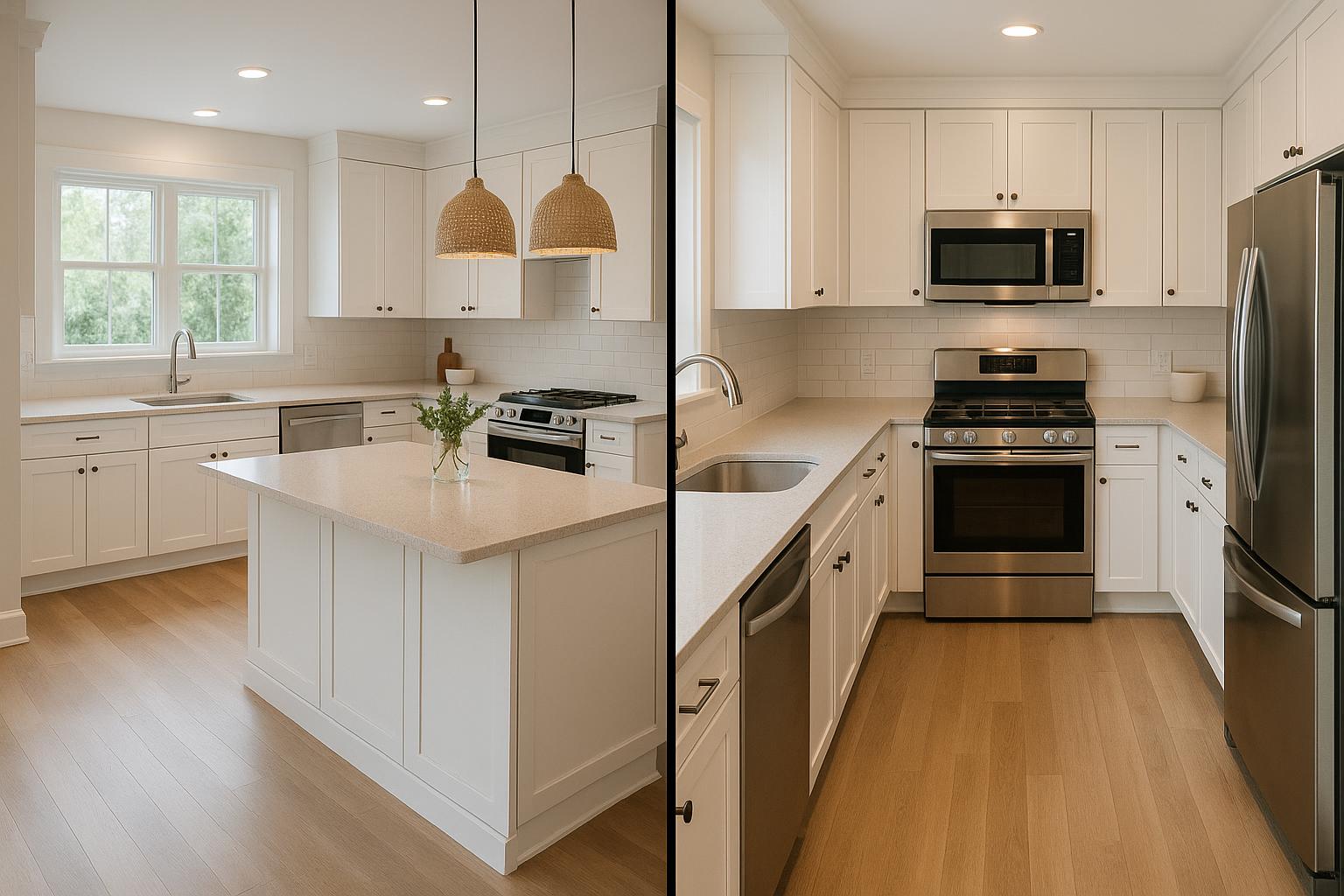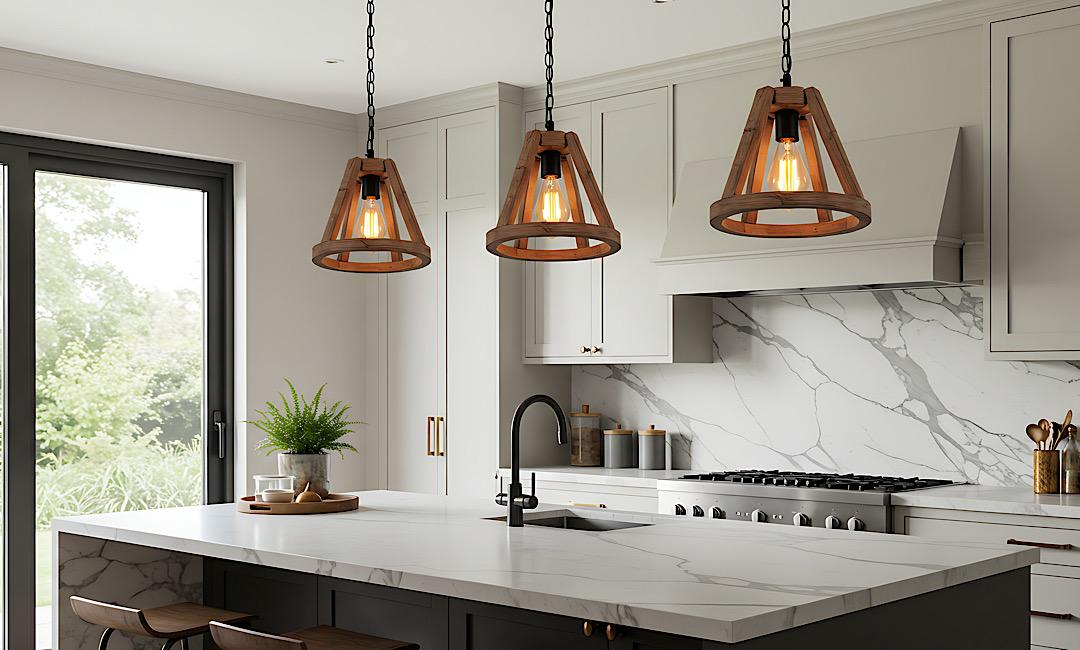

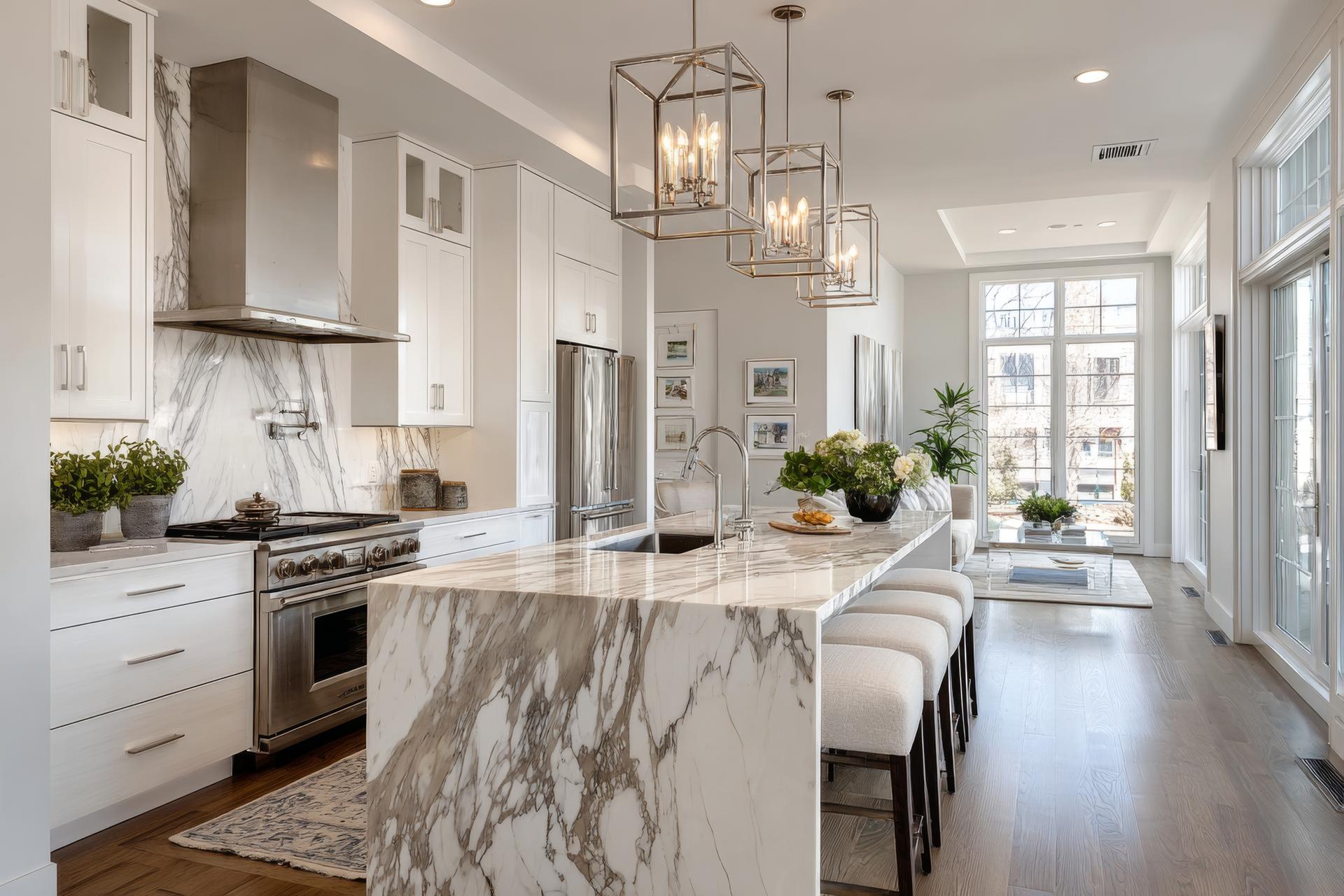
Smart layout + lighter visual weight = a kitchen that feels open, bright, and easier to use
If your Castle Rock kitchen feels tight, dark, or “all cabinets, no breathing room,” you’re not alone—especially in townhomes and older homes where galley layouts are common. The good news: you can create the feeling of a wider kitchen with targeted decisions in cabinetry, lighting, materials, and workflow—often without changing walls. Below are practical, builder-minded galley kitchen ideas that balance day-to-day livability, cost, and resale value.
Why galley kitchens feel small (and what actually fixes it)
Most “narrow kitchen” frustrations come down to two things: (1) traffic flow through the work zone, and (2) visual weight—busy patterns, hard contrasts, bulky uppers, and dim lighting that make surfaces close in. The most effective remodels improve the work triangle and reduce what your eye reads as clutter.
Layout options that open space—without moving walls
| Galley Layout Move | Why it Works | Best For |
|---|---|---|
| One-wall + pantry wall | Removes one run of base cabinets to widen circulation; keeps storage with a tall pantry wall. | Townhomes and kitchens are used as a pass-through. |
| Shortened uppers on one side | Creates a “visual window” and reduces the tunnel effect without losing base storage. | Kitchens that feel top-heavy or dark. |
| Appliance re-balance | Spacing out the range, sink, and fridge reduces congestion at peak times. | Families cooking nightly or entertaining. |
| Add a “landing zone” | A dedicated spot for keys, mail, coffee, or small appliances cuts counter clutter. | Narrow kitchens that constantly feel messy. |
If you’re early in planning, a quick layout check is often the best ROI step: small shifts (like moving a microwave into a base drawer or choosing a counter-depth fridge) can free up inches that make the whole kitchen feel calmer.
Cabinet styles that make a galley kitchen feel larger
In a narrow kitchen, cabinets do more than store things—they define how “heavy” the room feels. These cabinet-forward galley kitchen ideas are popular because they visually simplify the space while still feeling premium and current.
1) Light, low-contrast cabinet colors
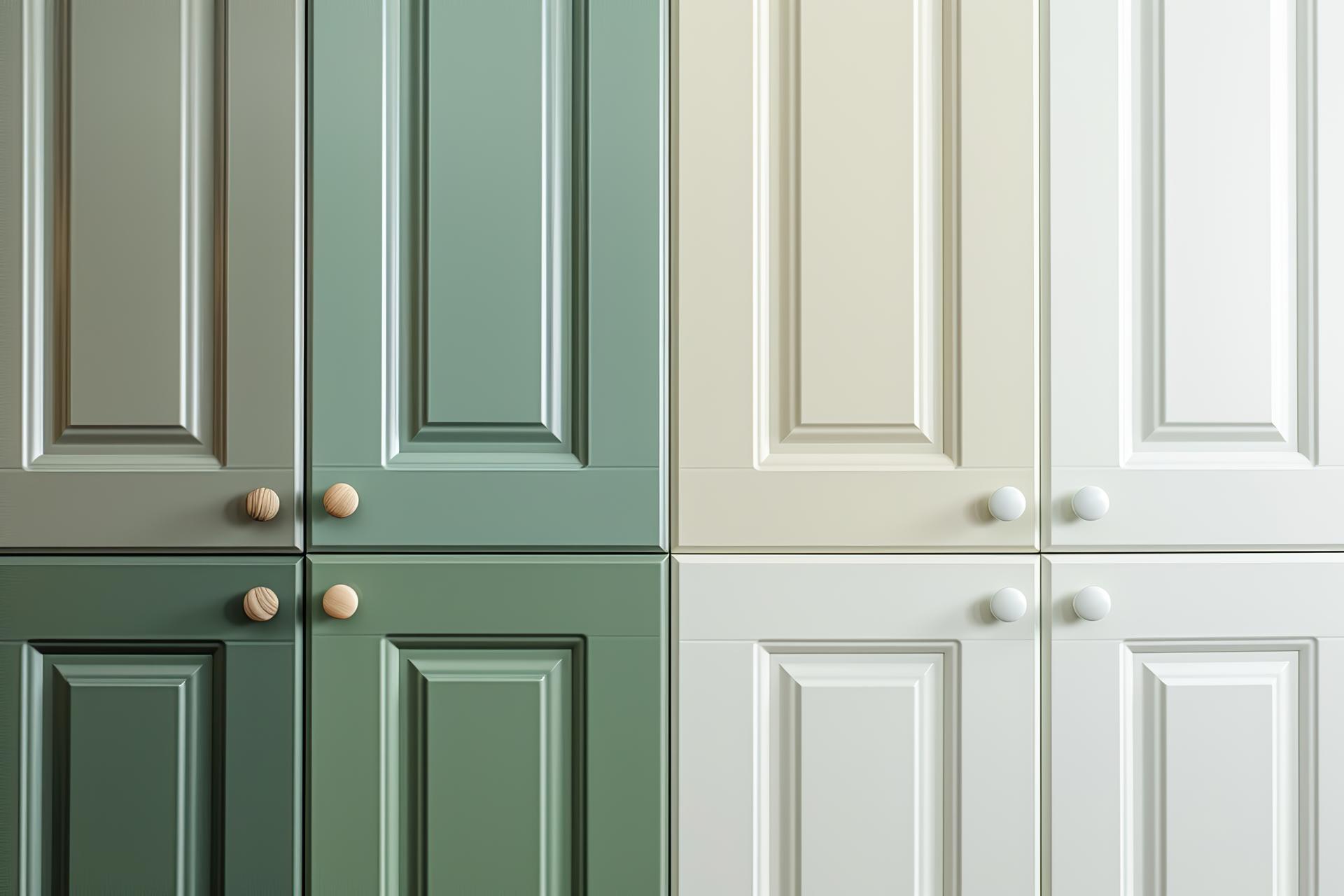
Soft whites, warm off-whites, and muted tones reduce harsh edges, which helps surfaces “recede” visually. If you love color, consider using it strategically (like on the base cabinets) and keep uppers lighter to lift the room.
2) Two-tone cabinets (upper lighter, base deeper)
Two-tone designs are trending because they add depth without making a small kitchen look flat. In galley layouts, this approach can make the walkway feel wider by visually “lifting” the upper half of the room.
3) Full-height cabinets—used selectively
Full-height pantry cabinets can reduce clutter because they hide small appliances and food storage behind clean doors. The trick in a galley: avoid running tall units on both sides unless the walkway is generous—one strong storage wall often feels better than two.
4) “Quiet” door styles + subtle texture
Simple Shaker doors remain a safe resale choice, but subtle texture (like fluted details or reeded glass in a small accent area) can add character without visual clutter—especially if you keep the overall palette consistent.
Step-by-step: a practical game plan for a “bigger-feeling” galley kitchen
Step 1: Fix the lighting before you pick finishes
Galley kitchens need layered lighting: recessed or surface-mounted ambient light, under-cabinet task lighting, and a focal fixture (often over a sink or a short peninsula). Great lighting makes cabinetry and counters look cleaner and helps the room feel taller.
Step 2: Choose a countertop that doesn’t “stop the eye”
Busy patterns can chop up a narrow space. Many homeowners prefer calmer quartz looks (subtle veining, low contrast) to keep sightlines long. If you love movement, consider using it on a short run and keep the rest quieter.
Step 3: Reduce backsplash “busyness” (and go taller)
In a galley kitchen, a taller backsplash (up to the bottom of the uppers, or even full-height in select areas) can look more intentional than a small strip. Larger-format tile or slab-style looks also reduce grout lines, which helps the kitchen feel less visually crowded.
Step 4: Make storage do the hard work
A narrow kitchen feels bigger when counters stay clear. Prioritize roll-out trays, a trash pull-out, vertical tray dividers, and a true pantry solution (tall cabinet or a concealed pantry zone). Hidden storage keeps daily items out of sight while maintaining fast access.
Step 5: Pick appliances that protect the walkway
Counter-depth refrigerators, slim-profile microwaves, and correctly sized ranges help prevent pinch points. When the aisle stays open, the kitchen feels larger—because it functions larger.
Did you know?
Budget-friendly upgrades that still move the needle
If you’re planning now for a spring or early-summer remodel, it helps to separate “must-fix function” from “nice-to-have finishes.” Here are upgrades that often give a noticeable improvement in a galley kitchen without forcing a total reconfiguration:
- Under-cabinet lighting to eliminate shadows on counters.
- One “statement” element (hardware, pendant, or a focused backsplash zone) while keeping everything else calm.
- Storage retrofits like roll-outs, spice pull-outs, and tray dividers.
- Quartz-look counters with low contrast to reduce visual noise.
- Updated sink + faucet with a work-friendly basin size and pull-down spray.
Castle Rock angle: planning, permits, and winter timing
Winter is a smart planning window in Castle Rock because it gives you time to finalize layout, cabinetry lead times, and selections before spring schedules fill up. It’s also a good time to confirm what permits or inspections may apply to your remodel—especially if you’re changing electrical, plumbing, or mechanical components.
A practical permit checkpoint
If your kitchen remodel includes moving or adding circuits, relocating plumbing, changing ventilation, or altering structural elements, you’ll typically want to confirm permit requirements and inspection steps with the local authority having jurisdiction. In Castle Rock and Douglas County, online submittals and inspection scheduling are common, which helps keep projects moving once construction starts.
Pro tip for narrower kitchens
If you’re considering a bigger hood, a new cooktop, or relocating the range, talk through venting early. Good ventilation improves comfort and helps protect finishes—especially during Colorado’s drier winter months when cooking odors can linger.
Ready to plan a galley kitchen remodel in Castle Rock?
Prestige Contractors helps Douglas County homeowners turn narrow, dated kitchens into brighter, more functional spaces—often through smart layout tweaks, storage planning, and finish choices that make the kitchen feel larger.
FAQ: Galley kitchen remodels in Castle Rock
What cabinet color makes a small galley kitchen look bigger?
Low-contrast palettes tend to work best—warm off-whites, soft whites, and muted tones that don’t create sharp visual “stops.” If you want a bolder look, keep uppers lighter and use deeper color on bases or a pantry wall for balance.
Should I remove upper cabinets in a narrow kitchen?
Sometimes—especially if the kitchen feels dark or top-heavy. A common compromise is to remove or shorten uppers on one side and replace them with a strong pantry solution, better lighting, and a calmer backsplash to keep the space open without sacrificing storage.
What’s the best backsplash choice for a galley kitchen?
Larger-format tile or slab-style looks usually read cleaner because they reduce grout lines. Keeping the backsplash tone close to the wall/counter palette helps the kitchen feel wider and less busy.
Can I make my galley kitchen feel bigger without changing the layout?
Yes. Lighting upgrades, counter/backsplash simplification, better storage accessories, and selecting appliances that protect the walkway can dramatically change how the kitchen feels—even if the footprint stays the same.
Do kitchen remodels in Castle Rock require permits?
It depends on the scope. Projects that change electrical, plumbing, mechanical/venting, or structural elements often do. The best approach is to confirm requirements early based on your exact plan, so inspections don’t slow down construction later.
Glossary (helpful terms for planning)
Want help narrowing down layout options and cabinet selections for your space? Start with a quick conversation and a few photos of your current kitchen, and we’ll help you identify the biggest-impact changes for a galley kitchen remodel in Castle Rock.