
Narrow, dated, or “heavy” kitchens often don’t need a bigger footprint—just smarter cabinet doors
If your Castle Rock kitchen feels tight, dark, or visually busy, cabinet door style can make a surprisingly big difference. Door profile, overlay, finish sheen, and hardware all affect how open the room reads—before you ever move a wall. This planning guide breaks down the most practical kitchen cabinet door styles and how to choose one that balances everyday function, budget, and resale appeal.
Why cabinet door style changes how “big” a kitchen feels
In smaller kitchens, the goal is usually to reduce visual clutter and increase light bounce. Cabinet door choices impact:
Shadow lines: Deep grooves, ornate profiles, and heavy frames create stronger shadows (and a busier look).
Repetition: The more “breaks” across the cabinet faces, the more your eye reads lots of small parts instead of one calm surface.
Light reflection: Paint, lighter colors, and certain sheens can help brighten a narrow kitchen—especially in winter months.
The most popular kitchen cabinet door styles (and how they “read” in small spaces)
National remodeling data continues to show Shaker as the dominant cabinet door style, far ahead of flat-panel and raised-panel options.
| Door style | Best for making a kitchen feel bigger? | Look & feel | Budget notes |
|---|---|---|---|
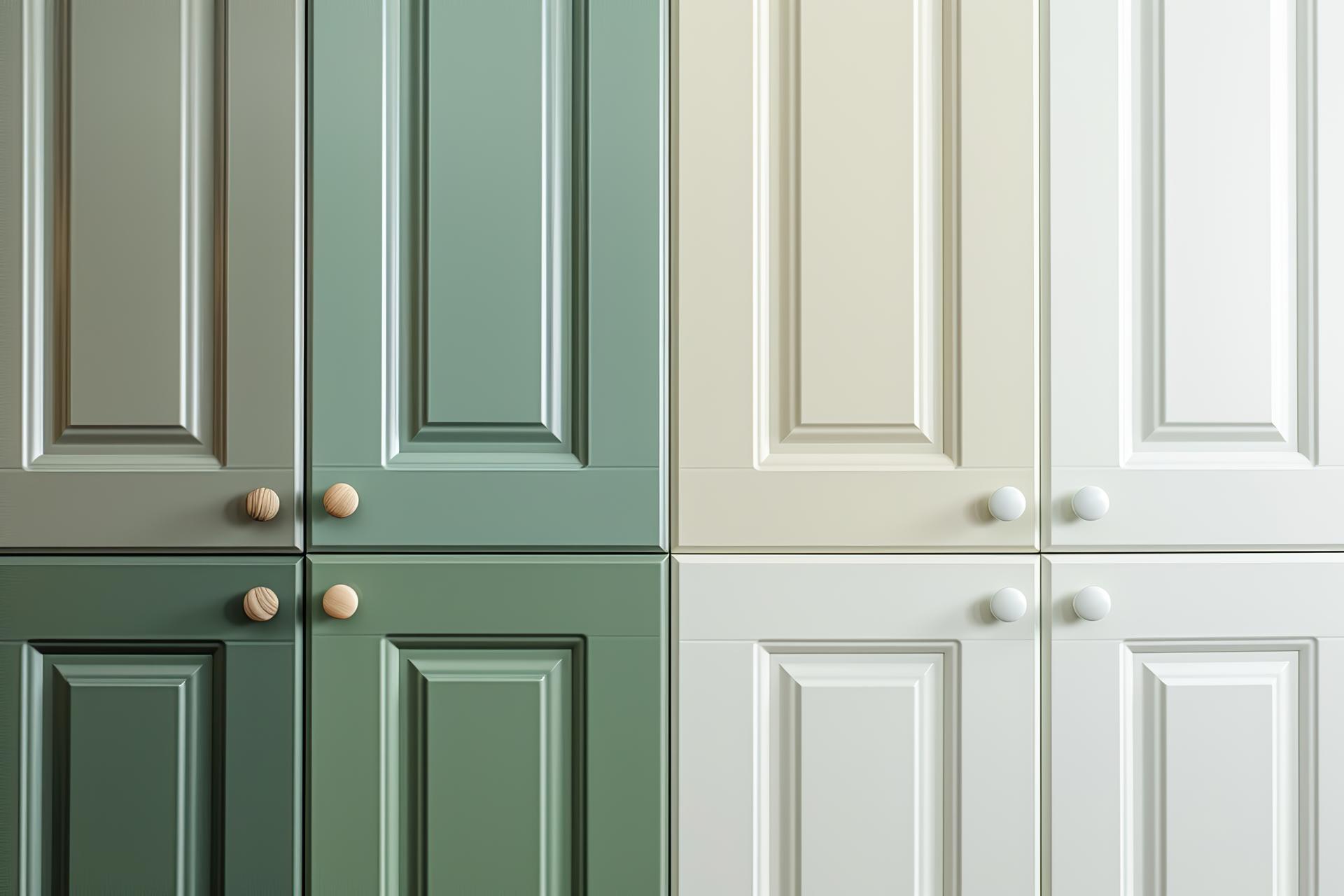
| Shaker | Yes (especially “slim Shaker”) | Clean frame, recessed center; flexible for transitional homes | Typically cost-effective with many finish options |
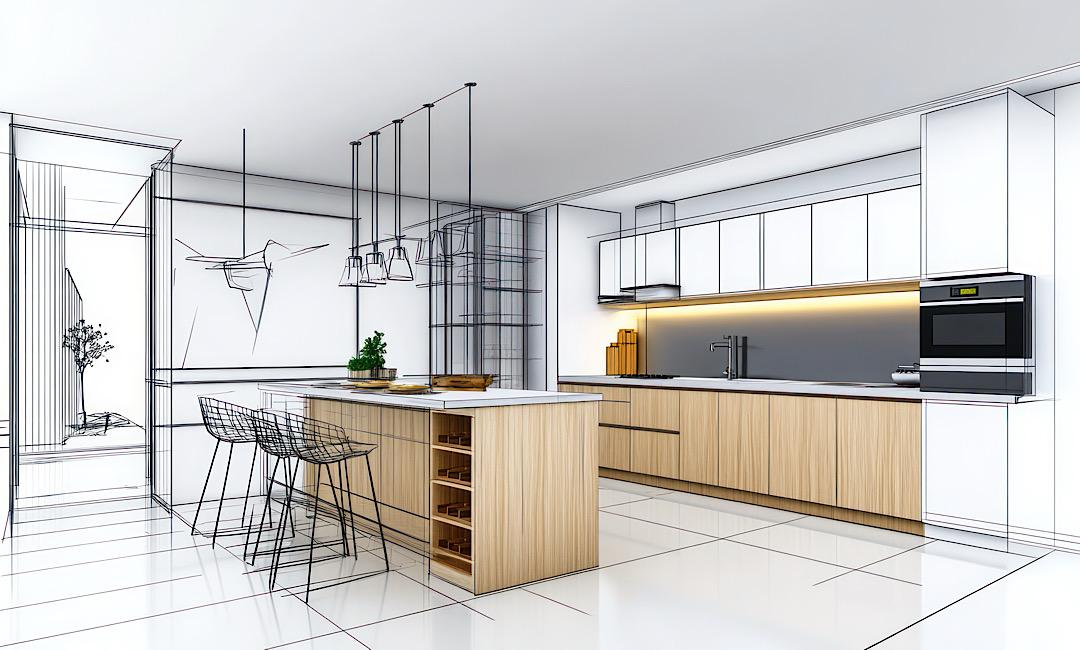
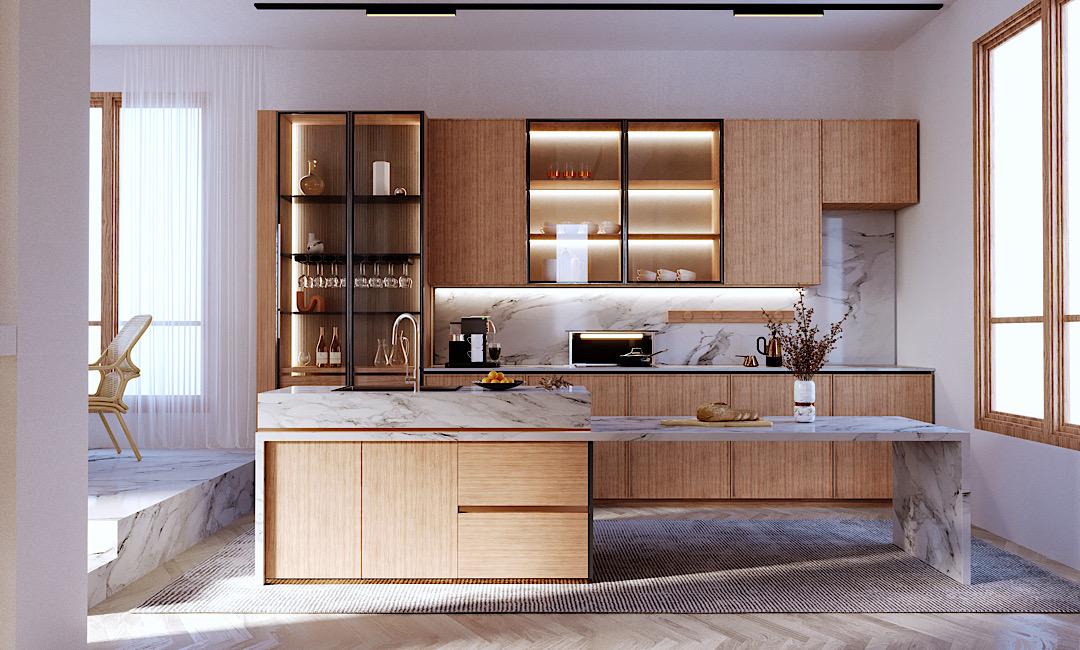
| Slab (flat-panel) | Strong “space-expanding” effect | Minimal, modern, fewer grooves = calmer look | Finish quality matters; can range from budget to premium |
| Raised-panel | Usually not (adds visual depth) | Traditional detail; can feel “heavier” in narrow kitchens | Can increase cost due to profile/detail |
| Inset / Beaded inset | Sometimes (very tailored, furniture-like) | Flush fit into the frame; refined craftsmanship | Often higher cost (precision build & alignment) |
| Glass-front (select uppers) | Yes (when used strategically) | Adds depth; breaks up a wall of doors | Works best with tidy display storage |
Quick rule: If your kitchen feels cramped, prioritize flatter profiles (slab or slim Shaker) and fewer visual breaks across the cabinet faces.
Step-by-step: choosing cabinet doors for a “bigger” look (without moving walls)
1) Start with the door profile (the biggest visual lever)
For most Douglas County homes aiming for a brighter, more open kitchen, Shaker is the safe, resale-friendly choice. If your kitchen is especially narrow or you want a more modern feel, slab doors reduce visual noise and can make cabinetry read like a clean wall surface.
2) Consider “slim Shaker” if you like Shaker but want lighter lines
Slim Shaker uses a narrower frame, which reduces shadow lines and reads more contemporary—helpful in smaller kitchens where standard Shaker can still look a bit busy.
3) Pick overlay based on “how seamless” you want the cabinet run to feel
Full overlay (doors cover more of the frame) typically looks more streamlined and modern. Inset looks custom and tailored, but it can highlight small inconsistencies if your home’s walls/floors are out of level—common in older homes—so precise installation matters.
4) Use finish and color to bounce light where your kitchen needs it most
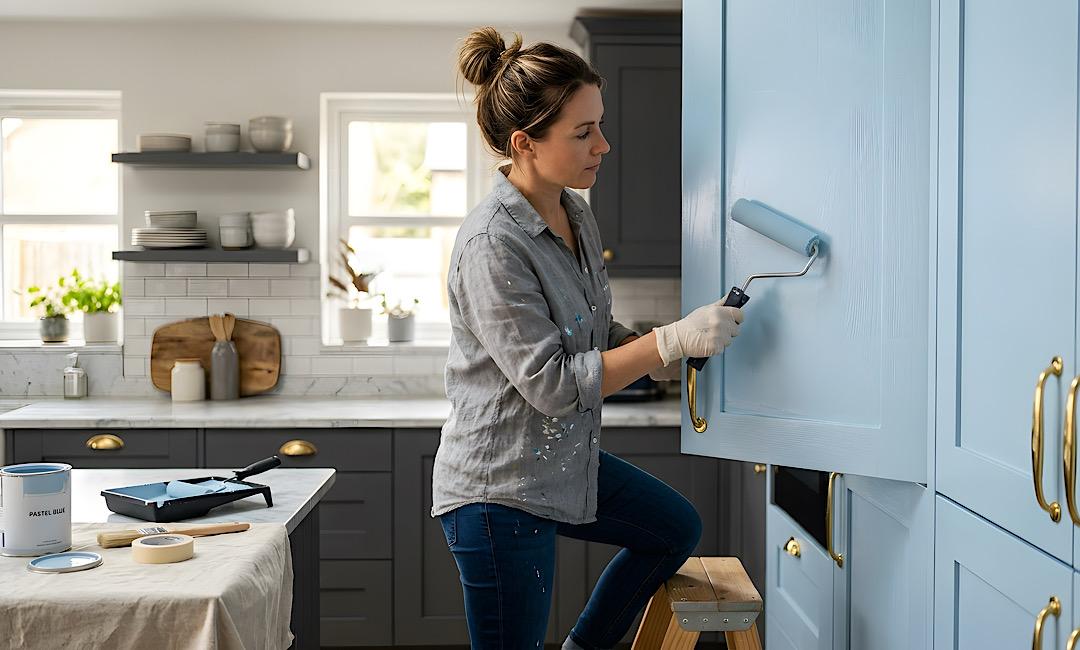
Painted cabinets remain a top choice for renovated kitchens, and lighter paint colors can help visually expand the room—especially when natural light is limited.
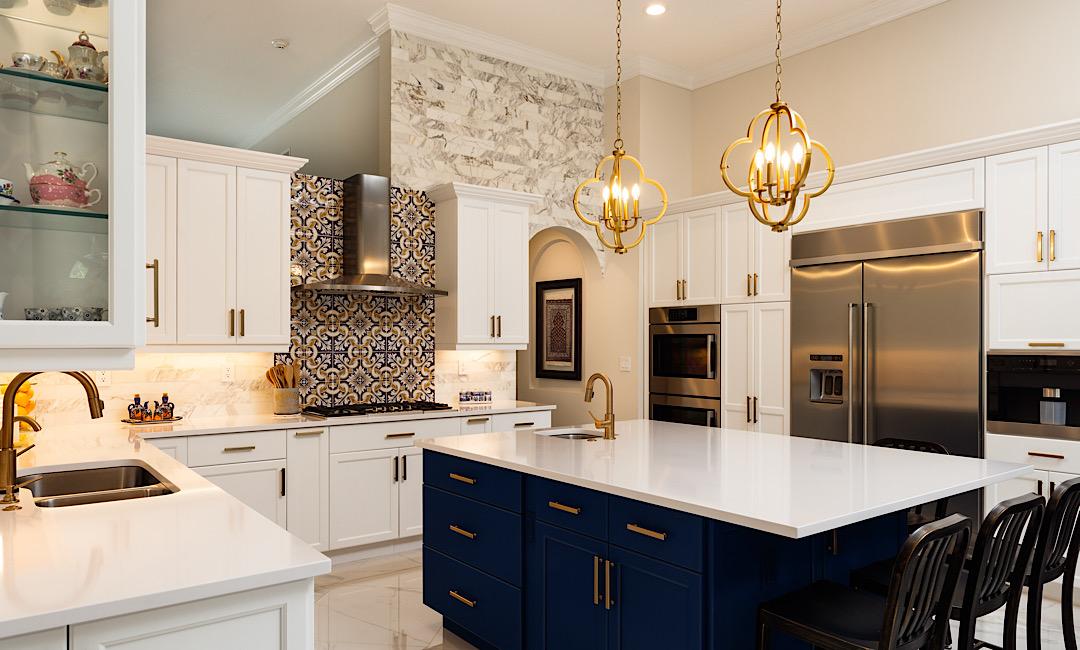
Design move that works: light uppers + slightly deeper lowers (or an accent island) gives contrast without making the whole room feel closed in.
5) Keep hardware simple, consistent, and appropriately scaled
Oversized or highly decorative pulls can “busy up” a tight kitchen. Sleeker pulls (or even integrated pulls on slab doors) keep the cabinet face calm and help the room feel more open.
Did you know? (Fast facts homeowners use when narrowing options)
Shaker dominates: Shaker is the most commonly selected cabinet door style in recent remodeling survey data—by a wide margin.
Flat-panel reads “bigger”: Slab doors minimize grooves and shadow lines, which can make small kitchens feel less crowded.
Storage features matter as much as style: Remodelers commonly add pullouts and organizers—so your door style should pair with a functional interior plan, not just the look.
A practical “best choice” breakdown (based on common Castle Rock goals)
If resale value and broad appeal are top priorities
Choose Shaker (full overlay) in a light, warm neutral. It’s widely accepted, works with most countertop and flooring updates, and won’t feel dated quickly.
If your kitchen is narrow and you want the cleanest, most open look
Consider slab doors or slim Shaker. Pair them with simple, consistent hardware and a lighter finish to reduce contrast lines across the room.
If you want a custom, furniture-quality feel
Look at the inset (or beaded inset). It can be stunning in a thoughtfully designed kitchen, but it benefits from precise installation and careful planning for reveals and clearances.
Local angle: planning a spring kitchen remodel in Castle Rock
Many Castle Rock and Douglas County homeowners use winter as the “decision season” for a spring or early-summer build. If you’re gathering cabinet ideas now, here are three local-friendly planning moves:
Measure the pinch points: fridge door swing, dishwasher clearance, and main traffic lane past the island/peninsula.
Plan for dust control: choose materials and door profiles that are easy to wipe down—especially if your household is busy.
Think long-term maintenance: a streamlined door style and durable finish make seasonal upkeep easier year after year.
Related service: If you’re maintaining an older home while planning a remodel timeline, explore our home maintenance program for seasonal checks and small repairs that keep projects on track.
Want cabinet recommendations based on your layout (not just a trend list)?
Prestige Contractors helps Castle Rock homeowners choose cabinet door styles, finishes, and storage upgrades that fit the room you actually have—while keeping pricing clear and expectations realistic.
FAQ: Kitchen cabinet door styles
What cabinet door style is best for making a kitchen look bigger?
Slab (flat-panel) and slim Shaker are often the most space-friendly visually because they reduce grooves and shadow lines. If you prefer a classic look with strong resale appeal, a standard Shaker is a great middle ground.
Are Shaker cabinets still in style?
Yes. Shaker remains the most commonly chosen cabinet door style in recent remodeling survey data, and it works across transitional, modern, and traditional kitchens.
What’s the difference between full overlay and inset doors?
Full overlay doors cover more of the cabinet frame for a more seamless look. Inset doors sit flush inside the frame for a tailored, furniture-like appearance. Inset often requires more precision (and budget) to install and align well.
Should I do glass-front upper cabinets in a small kitchen?
A few glass-front doors can help add depth and break up a solid wall of cabinets. The key is to keep what’s inside visually calm (matching dishware, minimal clutter) so it doesn’t feel busy.
Can I keep my layout and still get a “bigger kitchen” effect?
Often, yes. A flatter door profile, lighter finish, better lighting, improved storage, and a simplified hardware plan can dramatically change the feel of the room—even when the footprint stays the same.
Glossary: cabinet door terms (plain-English)
Shaker: A five-piece door with a recessed center panel and a simple frame.
Slim Shaker: A Shaker door with a narrower frame for a lighter, more modern look.
Slab / Flat-panel: A single, flat cabinet door face with minimal detailing.
Overlay: How much the door covers the cabinet frame (full overlay looks more seamless).
Inset: Doors and drawers sit inside the cabinet frame, typically flush with the face for a custom look.
Learn more about our team and process here: About Prestige Contractors.