The Heart of Your Home’s Most Important Decision
Planning a kitchen remodel is an exciting journey filled with choices that will shape your daily life for years. From cabinetry to countertops, every detail matters. But perhaps no decision is more impactful than your choice of cooktop. It’s the functional centerpiece of your kitchen, dictating how you cook, clean, and even breathe in your home. For homeowners in Castle Rock, Colorado, this decision comes with unique considerations, from high-altitude performance to energy efficiency.
The debate traditionally pits the classic, flame-powered gas cooktop against the sleek, modern induction surface. Both have passionate advocates, but which is truly the best fit for your lifestyle and your Colorado home? Let’s explore the performance, safety, and long-term value of each to help you make an informed choice for your kitchen remodeling project.
Induction Cooking: The Future of Culinary Precision
Induction cooktops have surged in popularity, and for good reason. Instead of using thermal conduction from a flame or hot coil, induction technology uses an electromagnetic field to directly heat your pots and pans. This means the cookware heats up, not the cooktop surface itself. This innovative approach offers a host of benefits.
Key Advantages of Induction:
- Unmatched Speed and Control: Induction is incredibly fast. It can boil water up to 50% faster than gas or electric. The temperature control is instantaneous and precise, giving you the ability to go from a rapid boil to a gentle simmer in a second.
- Superior Energy Efficiency: With induction, about 90% of the energy produced is transferred directly to the food. Gas cooktops, by contrast, lose a significant amount of heat to the surrounding air, making them only about 40-55% efficient. This efficiency can lead to long-term energy savings.
- Enhanced Safety: The cooktop surface stays cool to the touch, only heating the pan above it. This dramatically reduces the risk of burns, a major plus for families with young children. The absence of an open flame also eliminates the risk of grease fires or gas leaks.
- Effortless Cleaning: Because the surface doesn’t get hot, spills don’t burn and bake onto it. A simple wipe with a damp cloth is usually all that’s needed to clean the smooth glass surface.
Points to Consider:
The main consideration for induction is the need for compatible cookware; your pots and pans must be magnetic. A simple test with a refrigerator magnet can tell you if your current set will work. The upfront cost can also be higher than gas models, though prices are becoming more competitive.
Gas Cooking: The Time-Honored Tradition
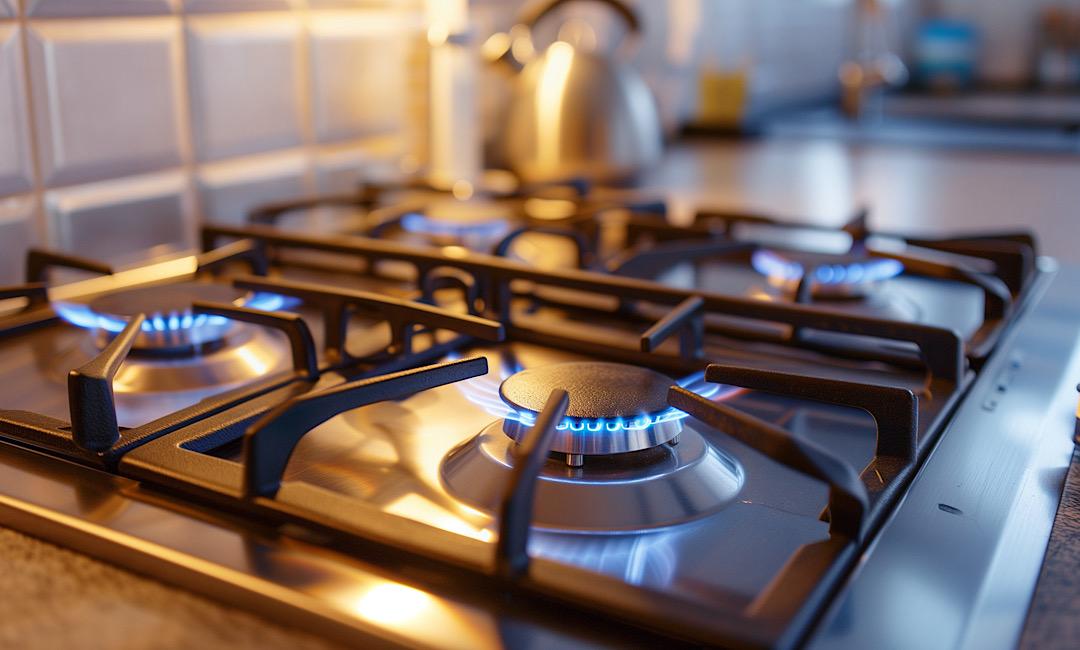
For generations, gas cooktops have been the standard in professional kitchens and homes alike. Many cooks prefer the visual feedback of an open flame and the intuitive, responsive control it offers. It’s a familiar and reliable technology that has served chefs well for decades.
Key Advantages of Gas:
- Visual, Responsive Control: The ability to see the flame and adjust it instantly is a major draw for many home cooks. It provides immediate, tactile feedback on heat levels.
- Cookware Versatility: Gas cooktops work with virtually any type of cookware, from cast iron and stainless steel to copper and aluminum. You won’t need to replace your favorite pans.
- Lower Initial Cost: Generally, gas ranges and cooktops have a lower purchase price compared to their induction counterparts, making them an attractive budget-friendly option.
Points to Consider:
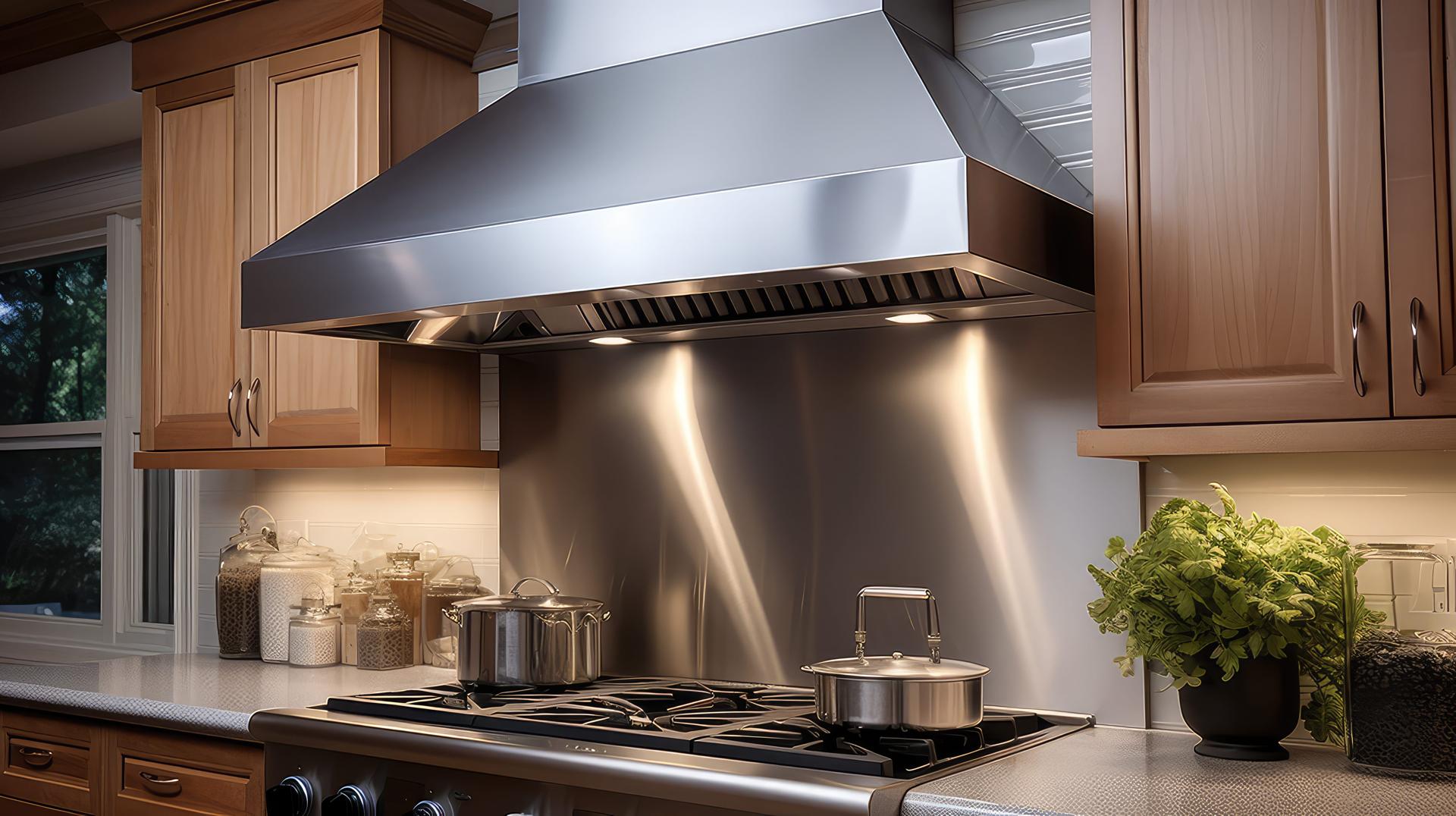
Gas cooking’s biggest drawbacks are its inefficiency and cleaning challenges. The open flame releases heat into your kitchen, and the grates and burner components can be cumbersome to clean. More importantly, gas stoves release pollutants like nitrogen dioxide and carbon monoxide into your home, which can impact indoor air quality. Proper ventilation is essential.
Induction vs. Gas: A Head-to-Head Comparison
| Feature | Induction Cooktop | Gas Cooktop |
|---|---|---|
| Cooking Speed | Excellent (fastest) | Good |
| Temperature Control | Instant and precise | Responsive and visual |
| Energy Efficiency | ~90% | ~40-55% |
| Safety | Surface remains cool | Open flame, hot grates |
| Cleaning | Very easy (flat surface) | Difficult (grates, burners) |
| Installation Needs | 240V electrical circuit | Natural gas line |
The Castle Rock Factor: High Altitude and Your Cooktop
Living in Castle Rock means cooking at an elevation of over 6,200 feet, which impacts the science of cooking. At this altitude, water boils at a lower temperature (~200°F instead of 212°F), which can extend cooking times for boiled or simmered foods. More importantly, the thinner air affects gas flames.
A gas flame may produce less heat and burn less efficiently at high altitude, potentially reducing its power and responsiveness. Induction cooking, however, is completely unaffected by elevation. Its electromagnetic heating process is consistent and powerful whether you’re at sea level or in the mountains, making it a reliable and high-performing choice for Colorado homes. Whether you’re building a new custom home or remodeling your current one, this performance difference is a key local consideration.
Let’s Plan Your Perfect Kitchen Remodel
The right cooktop choice depends on your cooking style, family needs, and renovation goals. At Prestige Contractors, we have over two decades of experience helping Castle Rock homeowners design beautiful, functional kitchens. We can guide you through every decision, from appliance selection to layout optimization, ensuring your new space is perfect for you.
Frequently Asked Questions
1. Do I absolutely need new pots and pans for an induction cooktop?
You need cookware that is magnetic. Cast iron and most stainless steel pots and pans work perfectly. If a magnet sticks firmly to the bottom of your pan, it’s induction-ready. Many homeowners find that much of their existing cookware is already compatible.
2. Is induction cooking safe around children and pets?
Yes, it is widely considered the safest cooking technology. The surface itself does not get hot, and the unit only activates when a compatible pan is placed on it. Once the pan is removed, the heating stops instantly, minimizing the risk of accidental burns.
3. Can I replace my existing gas cooktop with an induction model?
Absolutely. This is a common upgrade during a kitchen remodel. The process involves safely capping the gas line and having a licensed electrician install the necessary 240V outlet. A professional contractor can manage this entire conversion seamlessly.
4. What are the air quality concerns with a gas stove?
Gas stoves release byproducts like nitrogen dioxide (NO2) and fine particulate matter as they burn. Studies have linked these emissions to respiratory issues, especially in homes without adequate ventilation. A high-quality, properly vented range hood is crucial if you cook with gas.
5. Which option is better for my home’s resale value in Colorado?
Both a high-end gas range and a modern induction cooktop are desirable features. However, as trends move toward home electrification and energy efficiency, induction cooktops are increasingly seen as a premium, forward-thinking upgrade that can be a strong selling point for future buyers.