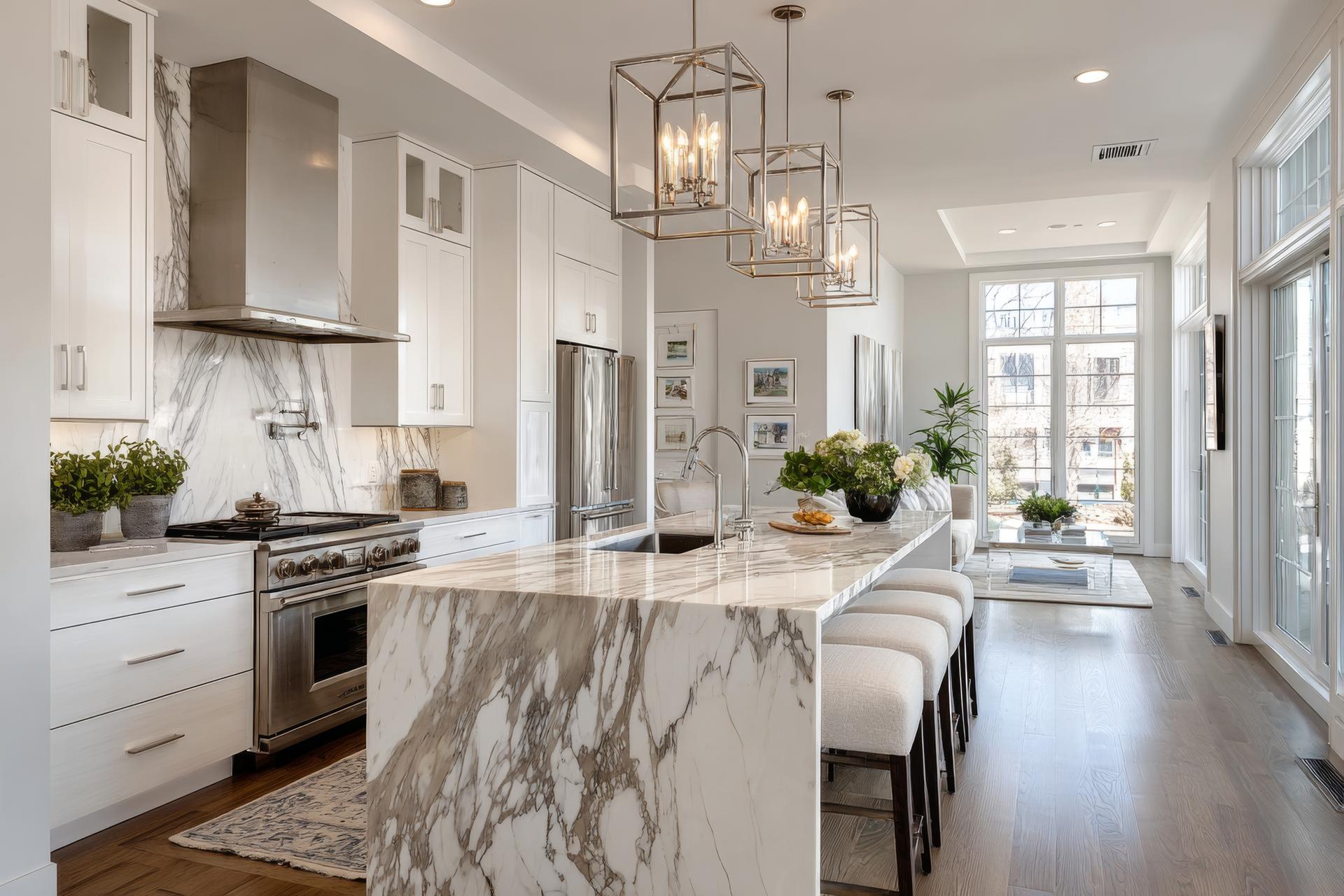

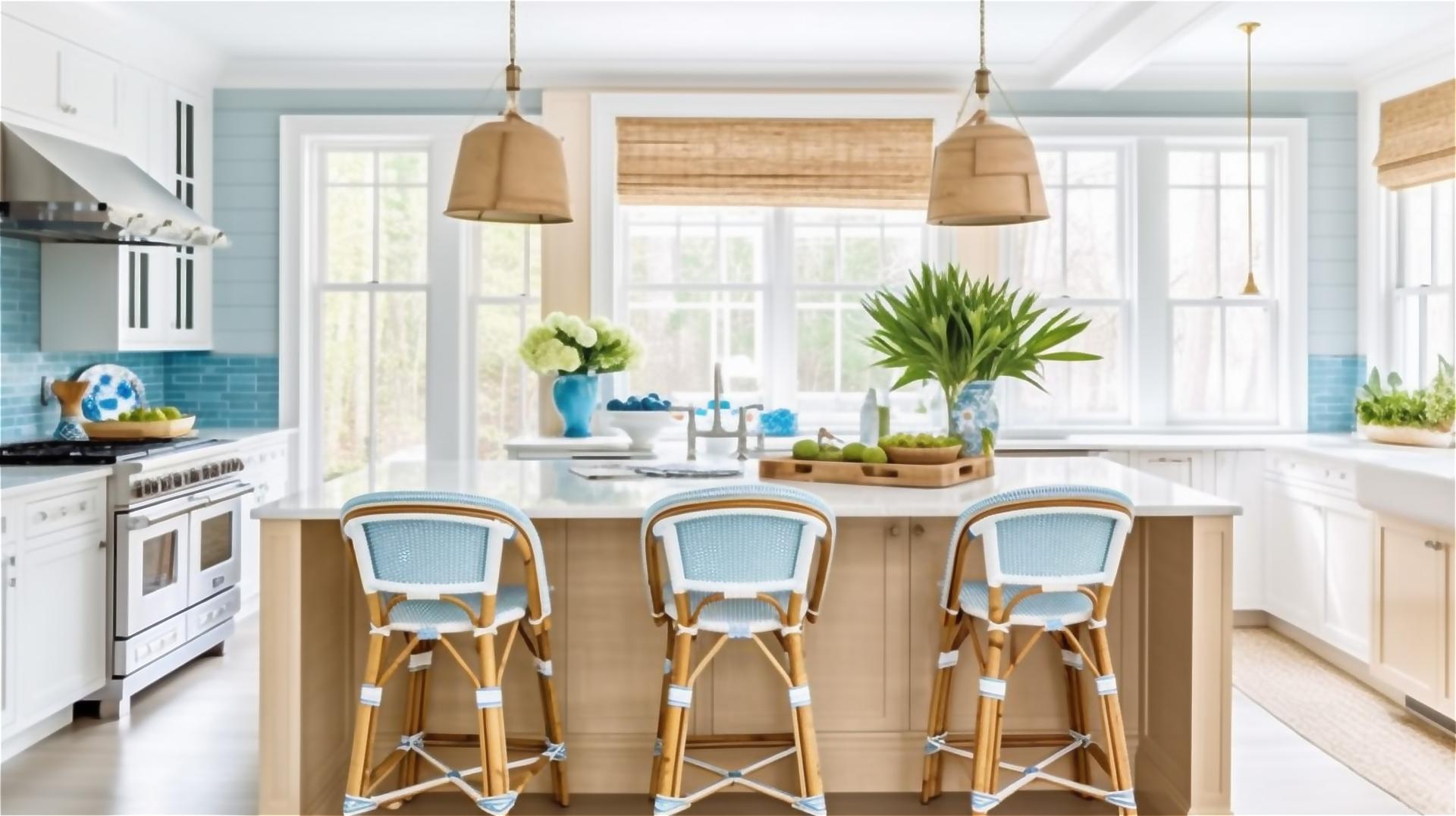
- Plan island seating first—before cabinets, lighting, and mechanical get locked in
- 1) Start with the “people space”
- 2) Kitchen island seating dimensions
- 3) Overhang depth
- 4) Island depth and layout
- Did you know? Quick island + ventilation facts that surprise homeowners
- 5) Castle Rock angle
- Ready to finalize your island layout (and avoid the common spacing mistakes)?
- FAQ
- Glossary (helpful terms for island planning)
Plan island seating first—before cabinets, lighting, and mechanical get locked in
In Castle Rock, many kitchen remodels start with a simple goal: “We want an island with seating.” The challenge is that seating changes everything—aisle widths, appliance door swings, where people naturally walk, and even how loud your kitchen can feel once a stronger ventilation system is installed. This guide breaks down practical, inspection-friendly kitchen island dimensions for seating so your island functions for daily cooking and for real-life gatherings (without creating a traffic jam).
1) Start with the “people space”: aisle and walkway clearances around an island
A beautiful island doesn’t feel beautiful if you’re constantly squeezing past someone unloading the dishwasher or pulling a baking sheet out of the oven. Before picking a slab or a stool style, map the clearances that keep a kitchen comfortable.
Rule of thumb: design the island to the room—don’t force the room to “work around” an oversized island.
- Walkway (pass-through only): aim for 36″ minimum clear width.
- Work aisle (where someone stands and works): aim for 42″ for one cook, 48″ for two cooks.
- Behind island seating: from the counter edge to a wall/obstruction behind the stools, plan 32″ if nobody walks behind seated guests; 44″ if you want people to comfortably walk behind them.
These are commonly used NKBA-based planning targets that help kitchens feel “right” day-to-day.
2) Kitchen island seating dimensions: how much width per person?
If your household cooks frequently or hosts family meals, the island becomes the “home base.” Seating that’s too tight leads to bumped elbows, stools that never get used, and an island that functions more like a visual centerpiece than a daily workhorse.
Comfortable seating space guidelines (per seat)
| Counter height | Width per seat | Knee space depth | Practical note |
|---|---|---|---|
| 30″ (table height) | 24″ per person | 18″ minimum | Great for kids/homework, less common for island work zones |
| 36″ (counter height) | 24″ per person | 15″ minimum | Most popular for “eat + prep” islands |
| 42″ (bar height) | 24″ per person | 12″ minimum | Can hide prep mess; taller stools and a different feel |
These sizing targets help ensure stools can tuck in and knees don’t hit the cabinetry.
3) Overhang depth: the difference between “looks fine” and “actually comfortable”
Overhang is the countertop extension beyond the base cabinets. Too shallow and guests sit sideways. Too deep and you may need extra support (and it can complicate appliance placement or outlet locations).
- Common minimum for seating comfort: 10–12″ overhang.
- If you want a more relaxed sit (especially for adults): consider more overhang, but confirm structural support and stool geometry.
Overhang recommendations vary by design, but this range is a widely used starting point for legroom.
4) Island depth and layout: avoid the “giant island, tiny aisles” trap
Many homeowners ask for “as big as we can fit.” A better goal is “as big as we can fit while keeping the aisles generous.” That typically means prioritizing the work aisle (42–48″) first, then sizing the island footprint. If you’re adding seating on one side and storage on the other, a deeper island can make sense—just ensure it doesn’t push the fridge, dishwasher, or oven into tight clearance zones.
Appliance reality check
If an appliance door opens into the same aisle people use to pass through, you’ll feel it every day. This is where the difference between a 36″ minimum and a 42–48″ “works during real life” aisle becomes obvious.
Did you know? Quick island + ventilation facts that surprise homeowners
More CFM doesn’t always mean better capture. Hood performance is also about capture efficiency—how well it actually grabs cooking pollutants, not just how much air it moves.
Recirculating hoods don’t exhaust pollutants outdoors. Standards-based ventilation guidance typically assumes venting to the exterior for meaningful contaminant removal.
Seating needs “behind-the-stool space,” not just aisle space. Planning 44″ behind seating is one of the easiest ways to make an island feel welcoming during parties.
5) Castle Rock angle: construction season, inspections, and why “paper planning” saves money
In Castle Rock and across Douglas County, the smoothest remodels are the ones where layout decisions (island seating count, aisle targets, hood duct route, and lighting) are finalized before cabinets are ordered. Island seating affects outlet placement, pendants, HVAC registers, and whether your ventilation plan needs extra coordination.
If you’re aiming to start construction as the busy season ramps up, it’s worth confirming your island’s “people clearances” early. Adjusting an island footprint on paper is easy; adjusting it after stone templates or cabinet delivery can be expensive.
Ready to finalize your island layout (and avoid the common spacing mistakes)?
Prestige Contractors helps Castle Rock homeowners translate wish-list ideas into a buildable kitchen plan—clearances, seating comfort, and the mechanical details that keep your kitchen quieter and easier to live in.
FAQ: Kitchen island dimensions for seating
How much space do I need behind the kitchen island seating?
Plan about 32″ behind the stool area if no one needs to pass behind seated guests. If people will regularly walk behind, 44″ is a more comfortable target.
What are good kitchen island aisle clearances for one cook vs. two cooks?
A widely used planning target is 42″ work aisles for one cook and 48″ for two cooks (measured between counter fronts and appliances).
How wide should an island be for 3 stools?
A solid starting point is 24″ of counter length per seat. For three stools, that’s about 72″ of seating run, plus any end panels, posts, or “breathing room” you want at the ends.
What overhang depth is best for kitchen island seating?
Many designs start around 10–12″ of overhang for usable legroom. If you’re increasing overhang, confirm how the countertop will be supported and how it interacts with stool selection.
If I want a cooktop on the island, do the dimensions change?
Yes. You’ll want to protect prep space, keep seating out of the main splatter/heat zone, and coordinate duct routing and hood selection so cooking contaminants are effectively captured and exhausted. Capture efficiency matters—not only airflow.
Glossary (helpful terms for island planning)
Work aisle
The clearance where a person stands to cook or prep—measured between counter fronts, appliances, and tall cabinets. It’s different from a walkway because it must accommodate working postures and open doors.
Walkway
A pass-through path in the kitchen that’s primarily for moving through (not standing and working).
Countertop overhang
The portion of the countertop that extends beyond the base cabinetry to create legroom for seating.
Capture efficiency (range hood)
A measurement of how effectively a range hood captures and exhausts cooking pollutants. Higher airflow alone doesn’t guarantee better capture.
Related services from Prestige Contractors: Kitchen remodeling, home additions, and home maintenance.