
Realistic phases, inspection pacing, and the choices that speed things up (or slow them down)
If you’re in Castle Rock or anywhere in Douglas County and you’re coming out of winter, ready to update an outdated bathroom, the most important planning question is usually the simplest: how long will it take? The honest answer depends on scope, materials, and permitting/inspection timing—but most timeline surprises are avoidable with the right plan, clear selections, and a contractor who schedules the work like a system (not a guess).
Below is a practical, Colorado-specific remodel timeline you can use to plan around work, travel, and family routines—plus tips to keep the project moving once contractor calendars start filling.
Typical Bathroom Remodel Timeline in Castle Rock: What “Normal” Looks Like
For many full bathroom remodels (new tile, vanity, fixtures, lighting, and an upgraded shower/tub), a common construction window is about 4–7 weeks. Smaller “surface” remodels can be faster, while layouts that move plumbing, custom tile work, or specialty materials can extend the schedule.
Rule of thumb: A bathroom remodel is usually quick when you keep plumbing locations the same, choose readily available materials, and plan inspections early. It runs long when selections change midstream, special-order items arrive late, or hidden damage is discovered after demolition.
Breakdown by Phase: Where the Weeks Go
A bathroom remodel is a sequence of dependent steps. Even when each task is “fast,” the project still needs time for cure/dry times, inspections, and trade scheduling.
1) Pre-construction planning (1–3+ weeks, often overlaps)
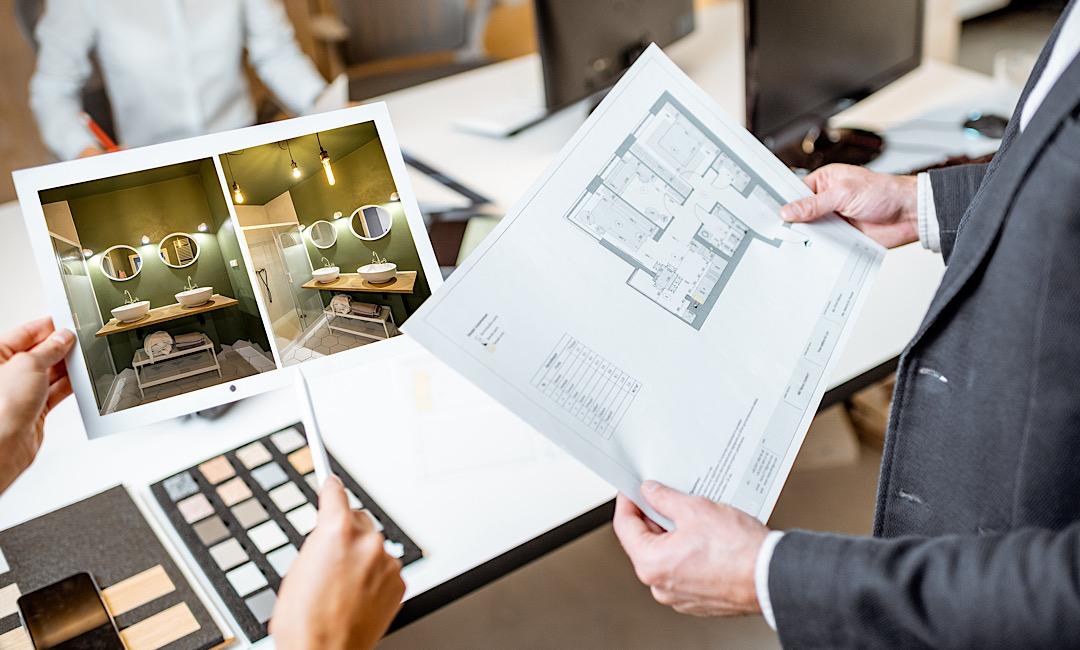
This is where timelines are won or lost. Measurements, design decisions, ordering materials, and setting inspection expectations happen here. If you’re changing the footprint or adding features like a niche, bench, or heated floor, this phase matters even more.
2) Demolition & site protection (1–3 days)
Dust control, floor protection, and controlled demolition keep the rest of the home livable. This is also when hidden issues show up—like water damage around a shower curb, subfloor rot near a toilet flange, or old wiring that needs correction.
3) Rough-in plumbing/electrical/framing (2–7 days)
If fixtures stay in the same locations, rough-in can be straightforward. If you’re moving a shower valve, adding a second sink, relocating a toilet, or upgrading ventilation and lighting, rough-in expands and may require additional inspections.
4) Inspections (often 1–3 days of “schedule time” per inspection)
In Douglas County/Castle Rock, many remodels require permits when plumbing, electrical, or structural work is involved. Even when the inspection itself is quick, the timeline impact is about coordination and availability. A well-run project schedules inspections as soon as rough-in is ready—no gaps.
5) Waterproofing, tile, and surface installation (1–3+ weeks)
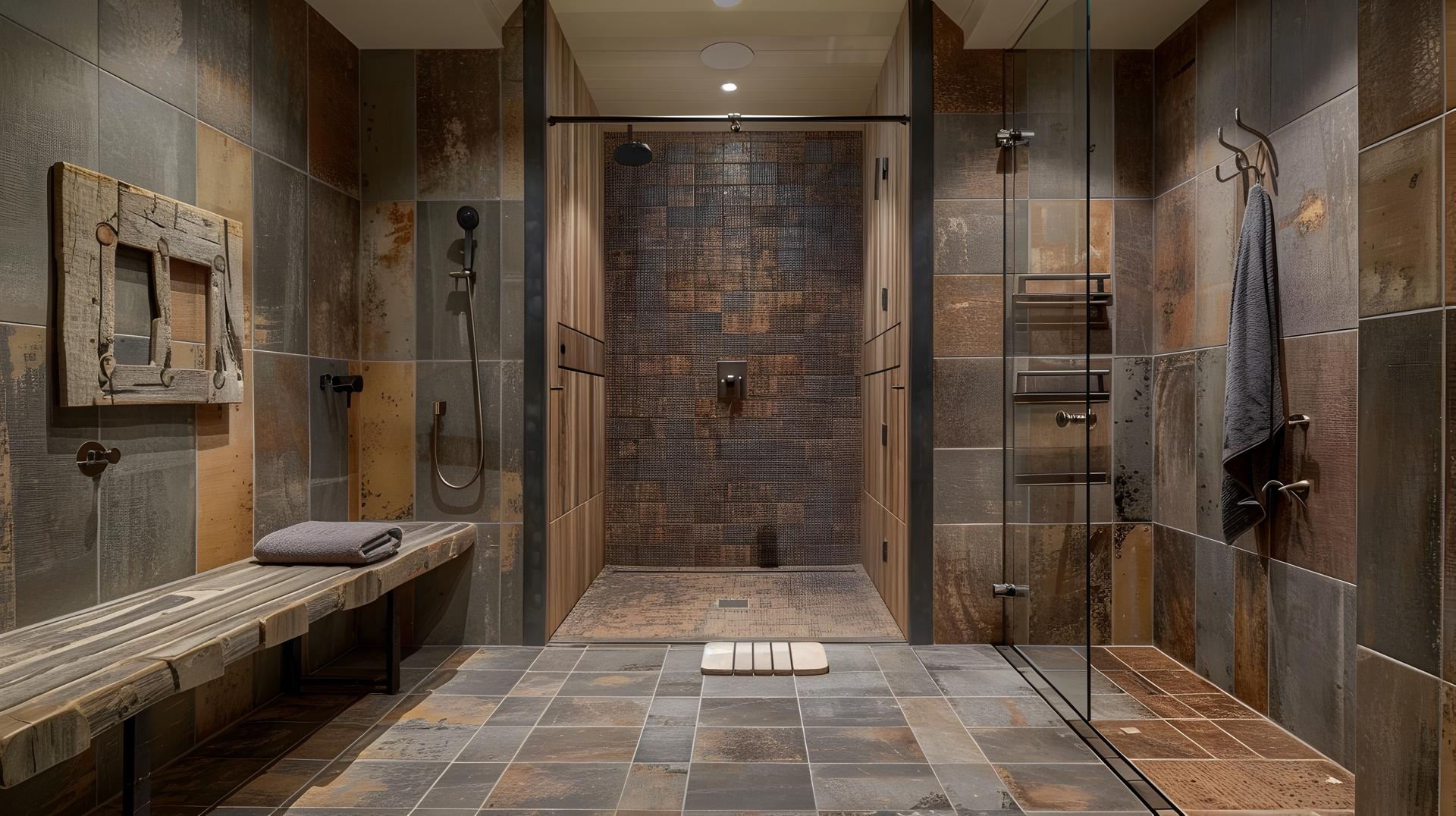
This phase can be the longest. Large-format wall panels can reduce grout lines and speed cleaning long-term, but tile layout, waterproofing details, niche work, and cure times still take real time. If you choose intricate mosaics or multiple tile sizes/patterns, expect additional labor and scheduling.
6) Fixtures, trim, paint, final hookups, punch list (3–7 days)
Vanity install, countertop (if applicable), plumbing trim, mirrors, accessories, paint touch-ups, door/trim adjustments, and final inspection/closeout. This is also where “missing one part” can cause a delay—like a backordered faucet trim kit or the wrong shower glass lead time.
Step-by-Step: How to Keep Your Bathroom Remodel on Schedule
Tip 1: Lock your “long-lead” choices first
Shower glass, specialty tile, custom vanities, and certain plumbing finishes can take longer to arrive. If your remodel must be done before summer travel or a home listing, these selections should be decided early—before demolition.
Tip 2: Decide whether you’re changing the layout (and why)
Moving plumbing almost always adds time and cost. Sometimes it’s worth it (better shower size, better traffic flow, adding a double vanity), but if your goal is a fast, predictable remodel, keeping fixtures in place is one of the strongest schedule protections.
Tip 3: Build your plan around inspections—not just labor
In Castle Rock and Douglas County, permits and inspections are part of doing the job correctly when regulated work is involved. The best way to avoid “dead days” is simple: schedule inspections the moment rough-in is forecasted, and keep trade work aligned so the inspector sees a complete rough-in.
Tip 4: Choose durability-forward materials (especially for resale)
Many 2026 bathroom preferences lean toward calm, easy-to-maintain surfaces—like larger-format porcelain, quieter grout lines, and solid, water-resilient finishes. This doesn’t have to mean “trendy.” It can mean timeless and easier to live with when Colorado weather swings from dry winters to active summers.
Tip 5: Plan for one bathroom being down (and ask about temporary solutions)
If it’s your only full bath, you’ll want a daily routine plan. Some homeowners stage the remodel (keeping a toilet functional as long as possible), while others schedule the most disruptive work when family travel is already planned.
Timeline Quick-View Table (Most Common Scenarios)
| Remodel Type | What’s Included | Typical Construction Time | Most Common Delay |
|---|---|---|---|
| Refresh | Paint, fixtures, mirror/lighting, minor updates | ~3–10 days | Fixture backorders; scope creep |
| Standard full bath | New vanity, tile, shower/tub update, lighting, ventilation | ~4–7 weeks | Inspection pacing; tile complexity |
| Layout change | Moving plumbing, reframing, larger shower, extra electrical | ~6–10+ weeks | Rough-in complexity; hidden conditions |
Note: Timelines assume professional scheduling and typical availability. Your specific project can be shorter or longer depending on design complexity, material lead times, and required inspections.
Castle Rock & Douglas County Angle: Permits, Inspections, and Why They Matter
Castle Rock homeowners are often surprised to learn that “it’s just a bathroom” can still trigger permitting when you’re touching regulated work (like plumbing, electrical, ventilation, or structural modifications). Permits and inspections protect you in a few practical ways:
If you’re aiming to remodel before peak season, it helps to start planning early—especially if you want a specific tile, custom vanity sizes, or a custom glass enclosure.
Ready for a Real Timeline (Not a Guess)?
Prestige Contractors helps Castle Rock homeowners plan bathroom remodels with clear phases, transparent pricing, and scheduling that accounts for inspections and material lead times—so you can make decisions with confidence.
FAQ: Bathroom Remodel Timing in Colorado
How long does a bathroom remodel take in Colorado?
Many full bathroom remodels land in the 4–7 week range once construction begins. A lighter refresh can be under two weeks, while moving plumbing or doing highly customized tile/glass work can push the schedule longer.
What makes a bathroom remodel take longer?
The biggest drivers are layout changes, inspection coordination, material lead times (especially shower glass and specialty finishes), and hidden conditions found after demo (water damage, subfloor repairs, outdated wiring).
Can I use my bathroom during the remodel?
Usually not for the full duration. Some projects can keep a toilet functioning for part of the schedule, but once waterproofing/tile and plumbing disconnects begin, the room is typically out of service. If it’s your only bath, plan for alternatives early.
Do I need a permit for a bathroom remodel in Castle Rock?
If you’re doing regulated work (common examples: plumbing changes, electrical updates, ventilation changes, structural modifications), permits and inspections are often required. A qualified contractor can help confirm what applies to your exact scope and coordinate the process.
Should I remodel now or wait until later in the year?
If your goal is a summer completion, starting planning early is usually the safer move—especially when contractor schedules tighten, and certain materials take longer to source. If you’re unsure, a consultation can map out lead times and a realistic start-to-finish calendar.