
Design-forward, winter-ready, and built for daily comfort
If you’re planning a primary bathroom upgrade in Castle Rock or anywhere in Douglas County, a walk-in shower is one of the smartest ways to blend modern style with long-term livability. The best results come from pairing “spa” features (light, glass, tile, niches, benches) with the practical details that matter in Colorado—proper drainage, durable finishes, ventilation, and a layout that stays comfortable through dry winters and active summers. Below are walk-in shower remodel ideas Colorado homeowners love, plus the planning tips that prevent common regrets.
What makes a “great” walk-in shower remodel in Colorado?
A great walk-in shower isn’t just about looks. It’s a system: waterproofing, slope, drain placement, ventilation, and materials that perform over time. In Castle Rock, homeowners often prioritize easy cleaning, safer entry, and a brighter, more open feel—especially when the existing bathroom has a bulky tub/shower combo.
High-impact walk-in shower remodel ideas (that also add value)
1) Frameless glass for a bigger, brighter bathroom
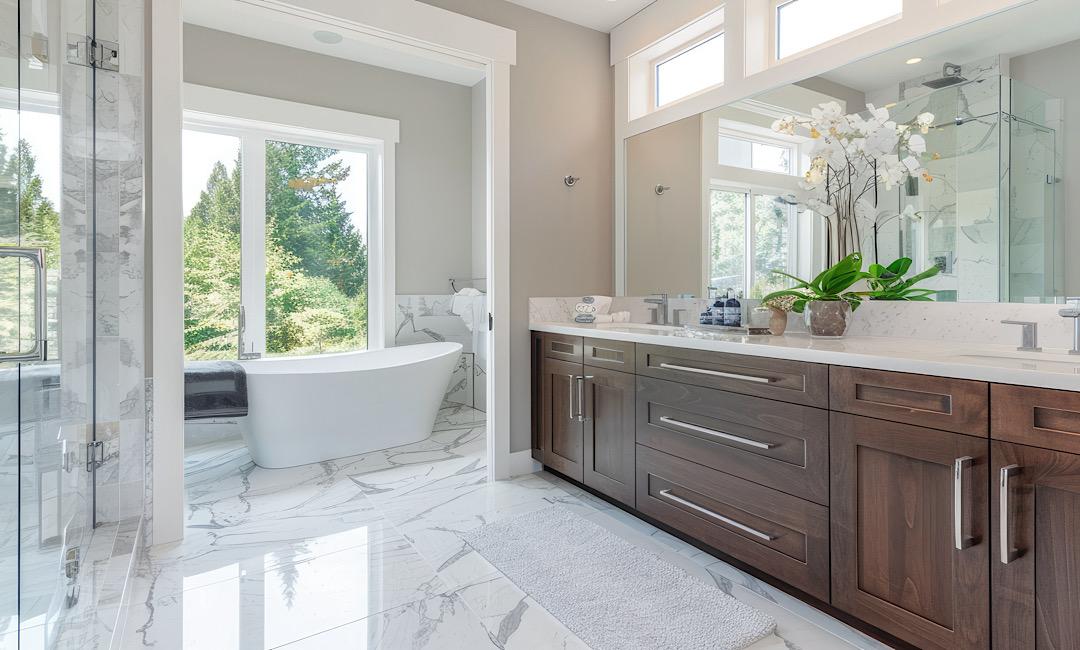
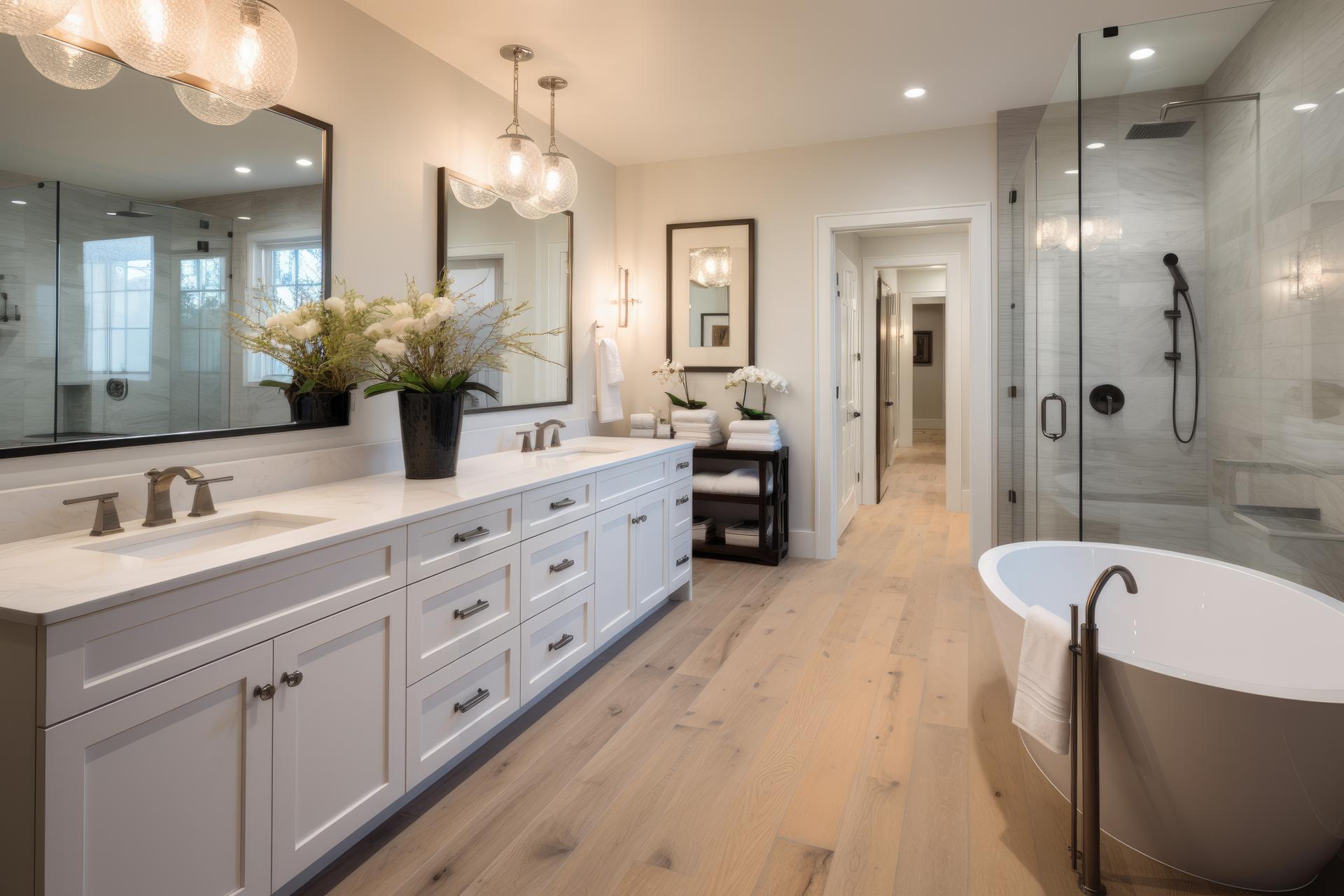
Frameless glass remains a favorite because it keeps the room feeling open and lets natural and vanity light travel through the space. If your bathroom is on the smaller side, this single choice can make the entire remodel feel more “custom.”
2) Large-format shower wall tile (fewer grout lines)
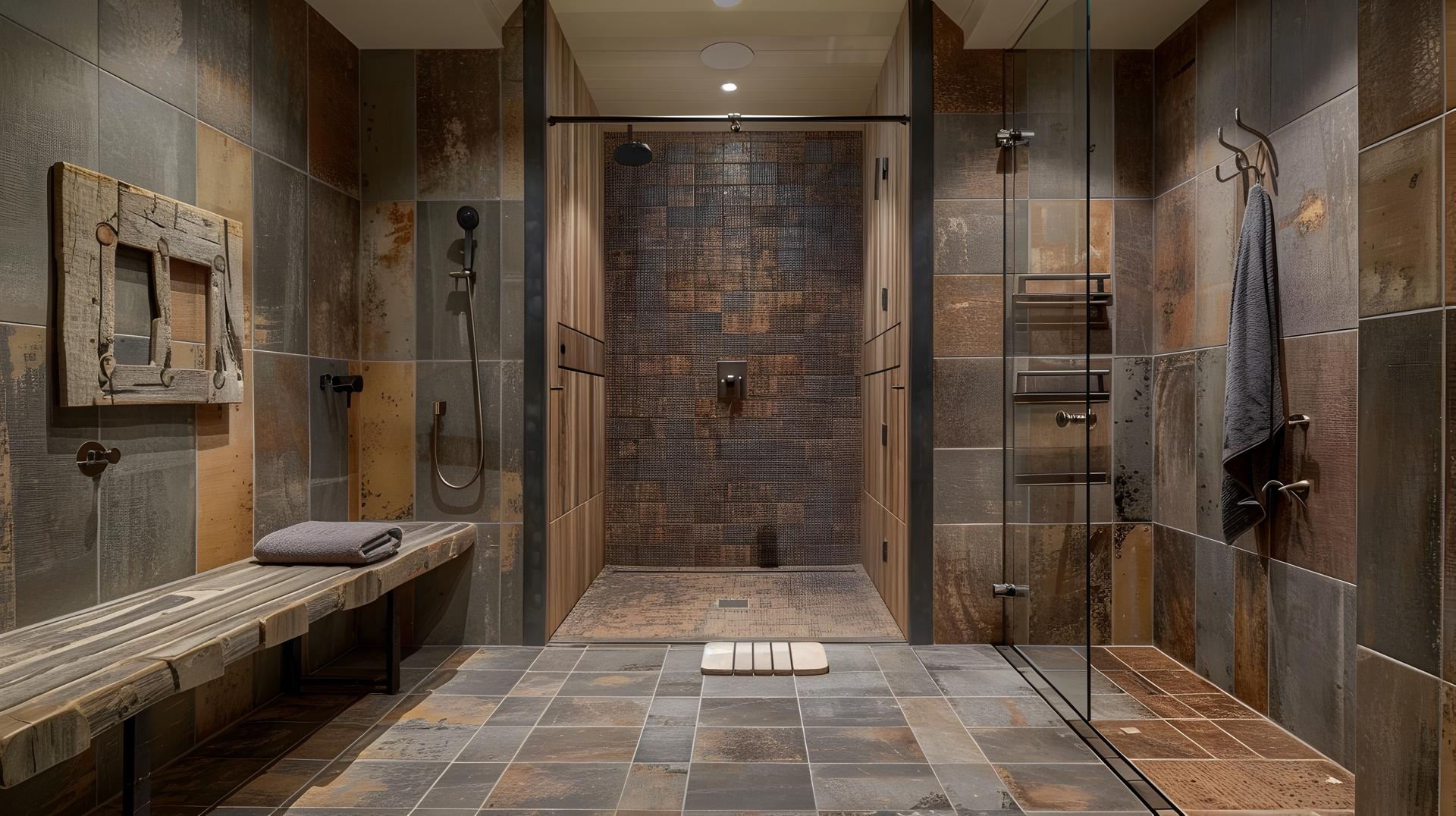
Large-format tile or slab-style panels deliver a clean, modern look and reduce grout maintenance. This is one of the best “daily-life upgrades” for busy households—less scrubbing, fewer grout joints to discolor, and a more seamless finish.
3) Linear drain + consistent tile layout
A linear drain can support a sleek tile pattern and help the shower floor look more intentional. It’s also a popular pairing with curb-less or low-threshold designs (when your structure and layout allow it). The key is planning the drain location early so the slope and waterproofing details are engineered—not improvised.
4) A real shower niche (or two), placed where you’ll actually use it
Niches look simple, but placement matters. A good niche plan keeps bottles off the bench and out of corners, avoids interfering with grab bars or shower controls, and aligns with the tile layout so you don’t end up with awkward sliver cuts.
5) Comfort upgrades: bench, handheld, and smart control placement
A built-in bench (or a well-placed floating bench) adds comfort and function—shaving, relaxing, helping kids, or supporting aging-in-place. Pair it with a handheld sprayer and place your main valve/controls so you can turn on water without getting blasted with cold spray.
6) Curbless (zero-threshold) showers—beautiful, but plan them carefully
Curbless showers can be a standout feature for both modern design and accessibility. The catch: they require precise floor recessing, slope planning, and water containment strategies (glass placement, adequate shower depth, and drain selection). When they’re done right, they feel like a high-end hotel. When they’re rushed, they can splash water into the dry area.
Step-by-step: how to plan a walk-in shower remodel that won’t disappoint
Step 1) Start with your “non-negotiables” (function first)
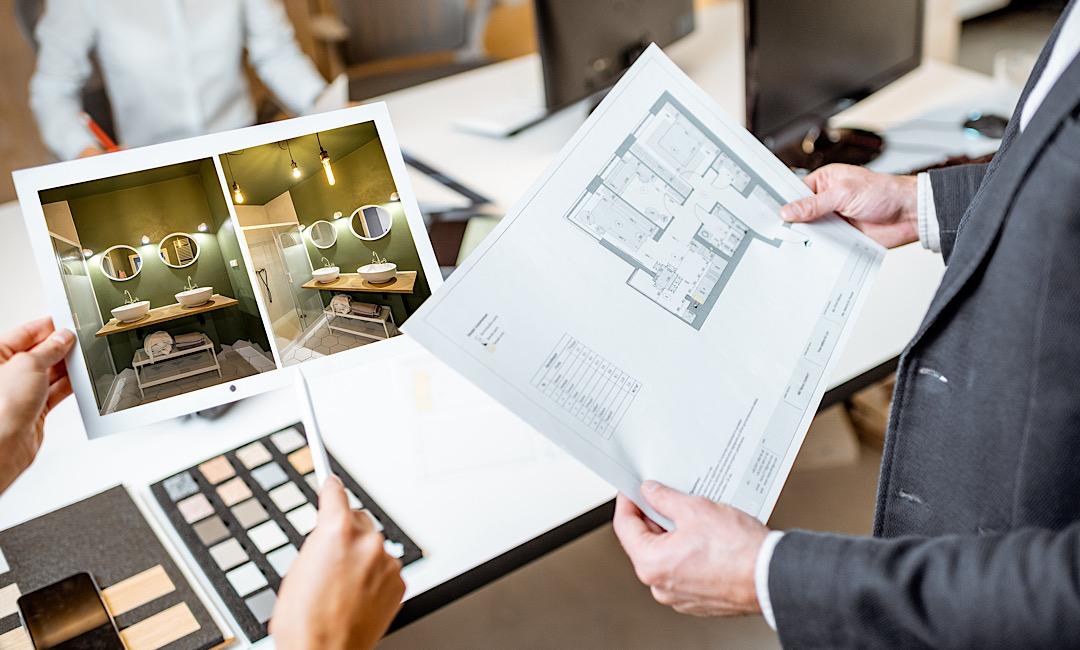
List what you want the shower to do: safer entry, easier cleaning, a bench, more storage, two shower heads, or more elbow room. Then decide what you’d rather avoid: heavy grout maintenance, glass that’s hard to squeegee, or a layout that feels cramped.
Step 2) Confirm what can (and can’t) move
Moving plumbing changes the scope and budget, but it can be worth it for a better layout. For example, shifting the drain to support a cleaner tile pattern or improving traffic flow can make the whole bathroom feel larger—even if the square footage stays the same.
Step 3) Make water management a design feature
A walk-in shower succeeds when water stays where it belongs. That means correct pan construction, reliable waterproofing, properly planned slope to the drain, and glass placement that reduces splash. If you’re choosing a doorless or curb-less concept, this step becomes even more critical.
Step 4) Don’t treat ventilation as optional
Steam is tough on paint, drywall, and even cabinetry. A properly sized, correctly ducted exhaust fan helps protect your remodel for the long haul. If you’re adding luxury features like a rain head or body sprays, plan ventilation and moisture control early—before finishes are selected.
Quick comparison table: popular walk-in shower options
| Feature | Why homeowners like it | Best for | Watch-outs |
|---|---|---|---|
| Frameless glass | Open, clean look; makes the room feel larger | Most primary bath remodels | Needs accurate measurements; squeegee habit helps |
| Curbless entry | Luxury feel; easier entry; accessibility | Long-term planning, aging-in-place | Floor recess/slope planning is critical to prevent water migration |
| Large-format wall tile | Fewer grout lines; easier cleaning | Busy households, low-maintenance goals | Substrate must be very flat; layout planning matters |
| Bench + handheld | Comfort, convenience, flexibility | Families, pet washing, accessibility | Bench must be waterproofed and pitched correctly |
Castle Rock & Douglas County considerations (permits, timelines, and planning)
In Douglas County, permit requirements can depend on the scope—especially if your remodel involves plumbing changes, electrical updates, or structural modifications. If you’re in unincorporated Douglas County, permits and inspections are handled through the County Building Division; incorporated areas may have their own requirements. A reputable contractor will help you determine what applies to your address and scope, and coordinate inspections as needed.
For summer remodel planning, it’s smart to make design selections early (tile, glass, fixtures) so the project schedule isn’t slowed by backorders or long lead times. That’s especially true for custom glass, specialty tile, and plumbing trim kits.
Pro tip for Colorado homes: If your bathroom has a window, balance natural light with privacy (frosted glass, top-down shades) and keep the shower enclosure positioned to reduce cold drafts in winter.
Ready to plan a walk-in shower remodel in Castle Rock?
Prestige Contractors is a family-owned remodeling and construction company serving Castle Rock and Douglas County since 2001. If you want a walk-in shower that looks high-end and performs day after day, our team can help you align design choices with the practical build details that protect your investment.
Related services: Kitchen remodeling, home additions, and home maintenance.
FAQ: Walk-in shower remodels in Castle Rock
Is a walk-in shower a good investment for resale in Colorado?
Often, yes—especially in primary bathrooms where buyers expect an updated, easy-to-use shower. The best ROI usually comes from durable materials, a timeless layout, strong lighting, and a shower that feels spacious and easy to maintain.
Should I remove the tub when I remodel?
If it’s the primary bath and you rarely use the tub, a walk-in shower can be a better daily experience. If it’s your only tub in the home and you have young kids (or you want broad resale appeal), consider keeping at least one tub elsewhere.
Are curbless showers practical in existing homes?
They can be, but they’re not “one-size-fits-all.” The feasibility depends on framing direction, plumbing location, and how the shower pan will be recessed while maintaining proper slope and waterproofing. A site evaluation helps determine the safest approach.
What tile is easiest to keep clean?
Many homeowners prefer large-format wall tile (fewer grout joints) and a shower floor tile with enough texture for traction. Choosing grout and sealers wisely can also reduce staining and make routine cleaning faster.
Do I need permits for a bathroom remodel in Douglas County?
Many remodels require permits when plumbing, electrical, or structural elements are changed. Requirements depend on jurisdiction (unincorporated county vs. town/city), and your contractor can help confirm what’s needed for your address and scope.