
Kitchen Remodel Timeline in Colorado: A Realistic Week-by-Week Plan for Castle Rock Homeowners

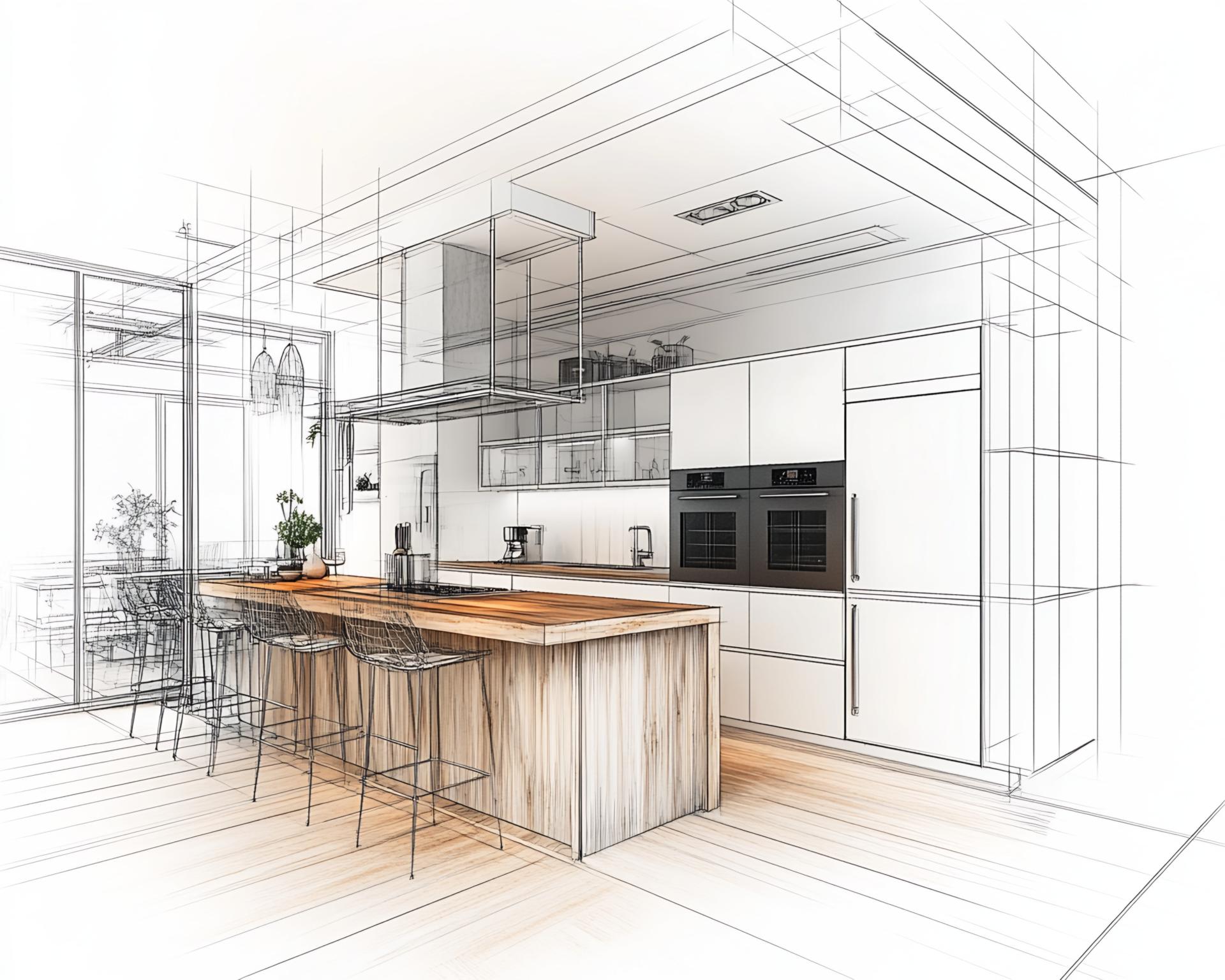
Modern Kitchen Design Rendering with Island and Appliances

Plan early, order earlier, and keep decisions tight—especially before summer schedules fill up.

If you’re budgeting a kitchen upgrade ahead of the summer construction season in Castle Rock, the most common mistake isn’t picking the “wrong” countertop—it’s underestimating timeline drivers like permitting, trade coordination, and product lead times. Below is a practical, Colorado-focused kitchen remodel timeline that reflects how projects actually move from first measurements to final inspection, with tips to protect your budget and your sanity.

What “timeline” really means for a kitchen remodel in Castle Rock

When people search “kitchen remodel timeline Colorado”, they’re usually thinking about the on-site construction phase. In reality, a kitchen remodel has three overlapping clocks:

1) Design & decisions: layout, finishes, appliance specs, and the “no turning back” choices.
2) Permits & inspections: if you’re touching electrical, plumbing, HVAC, or structure, you’re likely in permit territory, and inspections happen at defined milestones.
3) Procurement: cabinets, specialty countertops, and certain appliances can take weeks to arrive—and that lead time often controls the schedule.

Typical kitchen remodel timelines (by scope)

Project Scope What Changes On-Site Construction (Typical) Most Common Timeline Risk
Cosmetic refresh Paint, fixtures, minor surface upgrades, minimal layout changes ~1–3 weeks Late product selections (tile, lighting, hardware)
Mid-scope remodel New cabinets/counters, some electrical/plumbing updates, same basic layout ~6–12 weeks Cabinet lead times; trade coordination; inspection timing
Full gut / layout change Walls moved, mechanical reroutes, structural work, new layout ~10–16+ weeks Permitting + inspections + hidden conditions behind walls
Note: These ranges describe typical “construction once started.” Total project time can be longer when you factor in design, ordering, and permitting.

A realistic week-by-week kitchen remodel plan (Castle Rock-friendly)

Phase 1: Pre-construction (Weeks 0–6+)

Week 0–2: Scope + budget + feasibility
Decide what “success” is: better workflow, more storage, seating, safer venting, upgraded lighting, or resale value. This is where a clear allowance strategy (cabinets, counters, tile, appliances) prevents surprise upgrades midstream.


Week 2–4: Design, measurements, and selections
Lock in layout, cabinet plan, appliance specs (including electrical requirements), and a lighting plan. Your cabinets drive everything—dimensions, countertop template timing, and even flooring transitions.


Week 3–6+: Permitting (when required) + ordering
If the job includes plumbing/electrical/HVAC or structural changes, a permit may be required, and inspections will be scheduled at milestones. In Castle Rock and Douglas County, inspections are scheduled through the local building offices, and projects often require separate trade coordination depending on the scope.


Phase 2: Construction (Weeks 1–12+ once work begins)

Week 1: Site protection + demolition
Dust control, floor protection, careful demo, and verification of what’s inside the walls. This week often reveals “unknowns” (older wiring, unlevel floors, hidden water damage).


Week 2–3: Rough-in work (electrical, plumbing, HVAC)
Relocating outlets, adding dedicated circuits, moving supply lines/drains, improving venting, and installing any in-wall blocking. Rough-in is also where inspections can occur before walls are closed.


Week 3–5: Drywall, prep, and paint
Patch/replace drywall, texture as needed, prime, and paint before cabinets go in (cleaner edges, fewer touch-ups).


Week 5–7: Cabinet installation
Once cabinets arrive, install, level, and secure. This is a major milestone because it unlocks countertop templating.


Week 7–9: Countertop template + fabrication + install
After template, fabrication time varies by material and supplier. The installation typically happens in a day, but coordinating sink/faucet and plumbing matters.


Week 9–12: Finish work + punch list + final inspection
Backsplash, trim, hardware, final electrical fixtures, appliance set, final plumbing connections, and touch-ups. Expect a punch list—this is normal and healthy when managed proactively.


The timeline “pressure points” that cause budget overruns

Cabinet lead times: Custom and semi-custom cabinets can take several weeks, and late changes can reset the clock.
“Decision drift”: Waiting to choose tile, lighting, or plumbing fixtures can create idle days (and sometimes rework).
Inspection timing: If a trade isn’t ready when an inspection is scheduled, the project can lose a full week just in calendar friction.
Hidden conditions: Water damage, unlevel subfloors, or outdated wiring aren’t unusual in lived-in homes—plan contingency.

Step-by-step tips to keep your kitchen remodel on schedule

1) Lock your “big three” before demo

Before the first cabinet comes out, finalize cabinet layout, appliance specs, and sink/faucet plan. Those decisions affect electrical loads, plumbing placement, and countertop cutouts—changing them late is where timelines slip.
 

2) Build a “living without a kitchen” plan

Set up a temporary station (microwave, coffee, mini-fridge if possible) and decide how you’ll handle dishes. This reduces pressure to rush finish work, which is when expensive mistakes happen.
 

3) Use allowances strategically (not blindly)

Allowances can keep estimates transparent—if they’re realistic. If your allowance assumes basic lighting but you want designer pendants, you’ll feel “over budget” even though the plan changed. Ask for an allowance list you can shop against early.
 

4) Schedule inspections as milestones, not surprises

If your remodel requires permitting and inspections, treat them like fixed gates: rough-in approval, then close-up, then final. A good build schedule accounts for these checkpoints instead of squeezing them in “when we’re done.”

Quick “Did you know?” timeline facts

Did you know? Cabinets often determine the critical path—if the cabinet order is late, countertops and backsplash often can’t start.
Did you know? Layout changes can add time even when the kitchen is the same size, because moving plumbing/electrical triggers more trade work and inspections.
Did you know? A detailed selection sheet (tile pattern, grout color, hardware finish, faucet model) can save multiple days of back-and-forth during install.

Local angle: planning for Castle Rock and Douglas County schedules

Spring and early summer are peak times for remodeling across Castle Rock and Douglas County. That impacts both contractor calendars and trade availability (electricians, plumbers, countertop templating crews). If your goal is to break ground before peak demand:

Start design and ordering first—even if you plan to begin demo later.
Ask about permitting early if you’re moving plumbing, adding circuits, or changing structure. Your schedule should include time for approvals and required inspections.
Protect flexibility with smart sequencing: paint before cabinets, confirm appliance rough-ins before drywall close-up, and keep a contingency buffer for hidden conditions.

Want a kitchen remodel timeline you can actually plan around?

Prestige Contractors helps Castle Rock homeowners make clear scope decisions, map realistic lead times, and coordinate work in a way that reduces rework and surprise costs.

FAQ: Kitchen remodel timelines in Colorado

How long does a typical kitchen remodel take once construction starts?

Many standard remodels fall in the 6–12 week range for on-site work, while major layout changes often run 10–16+ weeks. The biggest swing factors are cabinet/countertop lead times, inspection milestones, and the amount of mechanical work.
 

What causes kitchen remodel schedules to slip in Castle Rock?

Most delays come from late selections, product backorders, hidden conditions discovered during demo, and inspection/trade scheduling friction when multiple subs must align.
 

Do I need a permit for a kitchen remodel in Colorado?

It depends on scope and jurisdiction. If your remodel involves electrical, plumbing, HVAC, or structural changes, a permit is commonly required and inspections occur at rough-in and final stages. Cosmetic updates may not require a permit, but it’s smart to confirm early based on your exact plan.
 

How can I shorten my kitchen remodel timeline without sacrificing quality?

Make decisions early, order long-lead items first (cabinets, appliances), keep change orders rare, and use a schedule that sequences work cleanly (paint before cabinets, template after cabinets, backsplash after counters).
 

Is a bathroom remodel faster than a kitchen remodel?

Often, yes—bathrooms can be smaller and less dependent on large cabinet runs and countertop templating. If you’re comparing ROI and schedule, a bathroom remodel may disrupt daily life less, while kitchens tend to deliver high lifestyle value when layout and storage improve.

Glossary (helpful terms you’ll hear during a remodel)

Critical path
The sequence of tasks that controls the project’s finish date. If a critical-path item slips (often cabinets), the whole schedule moves.
Rough-in
Electrical, plumbing, and HVAC work is installed inside walls before drywall is finished. Many inspections happen at this stage.
Template
The precise measurement process for countertops after cabinets is installed, used for fabrication and cutouts (sink, cooktop).
Allowance
A budget placeholder for items you haven’t selected yet (like lighting or tile). Good allowances are realistic and clearly itemized.
Punch list
A final checklist of small fixes and finish details—touch-ups, adjustments, missing trim—completed before closeout.
 
Planning additional projects this year? A proactive maintenance plan can prevent surprise repairs from colliding with remodel schedules.

Accessibility Toolbar